Finding the Right Joint Roller
Not everyone can roll a perfect joint by hand. That's completely normal. I've been around cannabis accessories for years, and I've seen plenty of experienced smokers who still reach for a rolling machine because it's faster and more consistent.
Think of it this way: you could whisk eggs by hand for ten minutes, or grab an electric mixer and be done in thirty seconds. Both work, but one saves you time and frustration. That's what a good joint roller does.
Why Use a Rolling Machine
The main benefit is consistency. Your first joint of the day looks just like your last one. No more hit-or-miss hand rolls where some are perfect and others fall apart.
Plus, anyone can use one. If you can turn a doorknob, you can use most joint rollers. They're designed to be straightforward and foolproof.
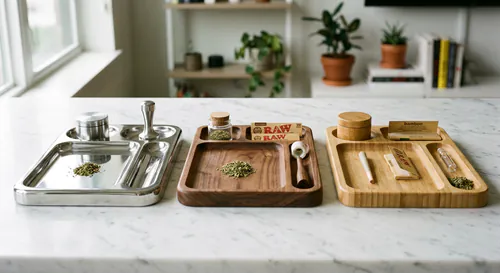
They're also portable. Most rollers are small enough to fit in your pocket or slip into a rolling tray kit for easy transport.
How to Use a Joint Roller
If you've never used one before, it looks more complicated than it actually is. By your third or fourth joint, it becomes second nature.
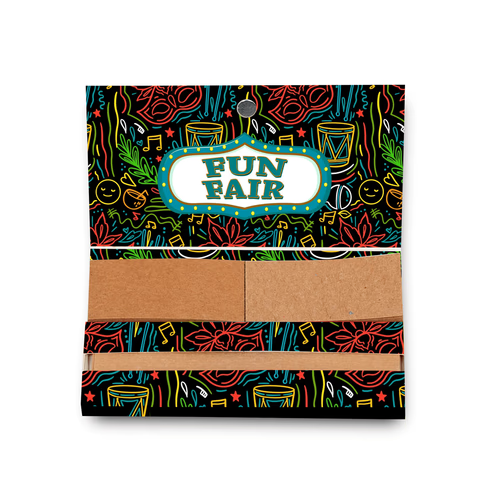
Get everything ready: Grab your rolling papers, ground cannabis, and a filter tips if you use one. Having everything within reach makes the process smoother.
Put the paper in: Open your roller and slide the rolling paper in with the sticky part facing up and toward you. If it's backwards, you'll figure it out pretty quickly.
Add your cannabis: Spread your ground herb evenly along the paper. Don't overthink it, just try to keep it consistent from end to end. Too much on one side gives you a lumpy joint.
Roll it up: Close the roller and turn the wheels toward you a few times. You'll feel the paper wrap around the cannabis.
Seal it: Lick the sticky strip and give the roller one more turn to seal everything shut. Pop it out, twist the end, and you're done.
Honestly, the hardest part is remembering which way the paper goes. After that, it's basically automatic.
Different Types of Rollers
There are basically six types of joint rollers, and they all have their pros and cons.
Thumb Rollers: These are the classic ones you've probably seen. You use your thumbs to roll the paper around the herb. They're cheap, simple, and they work. Great for beginners.
Injector Machines: These use empty cigarette tubes and a plunger to pack the herb in. If you like cigarette-style joints (straight, uniform, no cone shape), these are perfect.
Cone Fillers: Got pre-rolled cones? These devices help you fill them quickly and evenly. Some let you fill multiple cones at once, which is great if you're prepping for a session or party.
Electric Rollers: Press a button, get a perfect joint. These are pricier, but if you roll multiple joints a day or have hand issues like arthritis, they're worth it.
Standard Rolling Machines: The middle ground. You still do the work, but the machine handles the actual rolling mechanism. Reliable, affordable, and gets perfect results every time.
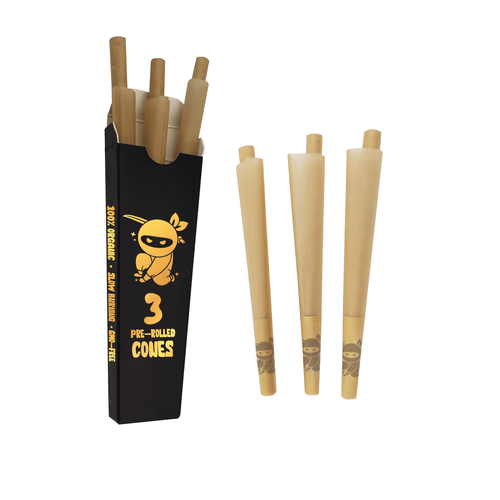
Pre-Rolled Cones: Not technically a roller, but worth mentioning. Pre-rolled cones are already shaped for you - you just stuff them with herb. Fastest option if you don't care about the rolling process itself.
What to Look For When Shopping
Ease of use: Can you figure it out without watching a tutorial? If it takes more than two tries to get it right, it's probably too complicated.
Durability: Plastic is fine if you're gentle, but metal rollers can take a beating. Think about how you'll use it. Tossing it in your bag every day? Get metal.
Size compatibility: Make sure it fits the rolling papers you actually use. King size papers need a king size roller. Sounds obvious but people mess this up all the time.
Brand reputation: Stick with known brands like RAW, OCB, or Elements. Read reviews. If it's some random no-name brand with zero feedback, skip it.
Adjustability: Some rollers let you control how tight the joint gets packed. Not essential, but nice to have if you're picky about burn rate.
Papers Matter Too
Your roller is only as good as the papers you put in it. I've seen people with expensive electric rollers using garbage papers and wondering why their joints aren't great.
Pick papers based on size (match it to your roller), material (hemp and rice papers are smooth, avoid wood pulp if you can), flavor (unflavored for pure herb taste, flavored if you prefer that), and brand (RAW, Elements, OCB, or Zig-Zag are solid choices).
My Top Picks for 2026
RAW Rolling Machine: This is the gold standard. Made in Germany, sustainable materials, nearly indestructible. If you only buy one roller, make it this one. Around $10-15 depending on size.
OCB Bamboo Rolling Machine: Bamboo housing feels great in your hands and it's built to last. Slightly more expensive than plastic but worth it. Plus it looks nice on your rolling tray.
Banana Bros Otto: If money's no object and you want the easiest experience, this is it. It grinds and rolls automatically using AI. Sounds gimmicky but it actually works incredibly well. Around $120.
Generic Plastic Thumb Roller: The $5 plastic one from your local smoke shop is fine for most people. It won't last forever, but it'll teach you if you even like using a roller before you invest in something nicer.
Common Questions
Do I really need a joint roller or can I just roll by hand? You definitely don't need one. Plenty of people roll perfectly fine joints by hand. But if you struggle with hand rolling, or you just want consistency and speed, a roller makes life easier.
Can I use any size rolling paper in a joint roller? Nope, you need to match the paper size to the roller size. King size papers need a king size roller, 1.25 papers need a 1.25 roller, etc.
How do I clean a joint roller? Most pop apart pretty easily. Just pull it apart, rinse under warm water with a little soap, let it dry completely, and put it back together. Do this every few weeks or whenever it gets sticky.
Are electric rollers worth the extra cost? Depends on how much you roll. If you're doing 3+ joints a day, yeah, the convenience is worth it. If you're rolling once or twice a week, save your money and get a manual one.
What's the difference between plastic and metal rollers? Plastic is cheaper and lighter. Metal is more durable and lasts longer. Both work equally well for actually rolling joints.
Final Thoughts
Joint rollers aren't magic, but they make rolling so much easier that it almost feels like magic the first time you use one. Whether you grab a $5 plastic roller or invest in a fancy electric model, you'll probably wonder why you didn't get one sooner.
Start with something cheap and basic. Use it for a week. If you find yourself reaching for it every time you roll, then consider upgrading. But honestly, most people are perfectly happy with a simple RAW or OCB roller for years.
The best roller is the one you'll actually use. Don't overthink it. Pick something in your budget from a brand you trust, and you'll be fine.