Warum das Branding von Apotheken schwieriger ist als im meisten Einzelhandel
Die meisten Einzelhandelskategorien haben den Luxus, frei zu werben Cannabis nicht. Sie können keine Google Shopping-Anzeigen für Ihre Produkte schalten, Sie sind in den sozialen Medien eingeschränkt, Plakatwerbung in vielen Gerichtsbarkeiten erfordert eine Compliance-Überprüfung und Fernsehen und Radio sind in den meisten Bundesstaaten vom Tisch Das Ergebnis ist, dass die körperliche Erfahrung beim Kauf in Ihrer Apotheke, einschließlich der Verpackung, die ein Kunde verlässt, unverhältnismäßig viel Markengewicht mit sich bringt.
Wenn jemand Ihre Apotheke mit einer Markentasche, einer Quittung in einem individuellen Umschlag oder einem Produkt in einer Verpackung verlässt, das Ihre visuelle Identität trägt, wird diese Verpackung zur Anzeige. Sie geht in ein Haus, wird von anderen Menschen gesehen und steht auf einem Regal oder einer Theke, wo sie weiterhin Eindrücke macht. In einer Kategorie, in der bezahlte Werbung eingeschränkt ist, ist dies kein untergeordnetes Detail.
Die Apotheken, die erkennbare Marken gebaut haben, die, wo Kunden sagen "Ich bekomme alles von [Name]," haben fast immer eine Verpackung, die kohärent, absichtlich, und konsistent ist Es ist kein Zufall.
Was das Marken von Apotheken eigentlich beinhaltet
Markenidentität im Cannabis-Einzelhandel geht weiter als ein Logo und eine Farbpalette Wenn ich Apotheken geholfen habe, ihr Branding zu durchdenken, identifizieren wir am Ende normalerweise vier Schichten, die wichtig sind.
Visuelle Identität ist der offensichtliche Ausgangspunkt: Logo, Typografie, Farben, und wie diese Elemente auf jeder Oberfläche einheitlich angewendet werden Die meisten Apotheken haben dies in irgendeiner Form, aber "ein Logo zu haben" unterscheidet sich von "ein visuelles System zu haben" Ein visuelles System gibt an, wie das Logo in verschiedenen Größen verwendet wird, welche Sekundärfarben akzeptabel sind, wie die Marke auf einem dunklen Hintergrund gegenüber einem hellen aussieht und wie es auf einem 3-Zoll-Produktaufkleber im Vergleich zu einer vollen Einkaufstasche aussieht Ohne dieses System beginnen Anwendungen Ihrer Marke zu driften, und der kumulative Effekt ist eine Marke, die sich inkonsistent anfühlt.
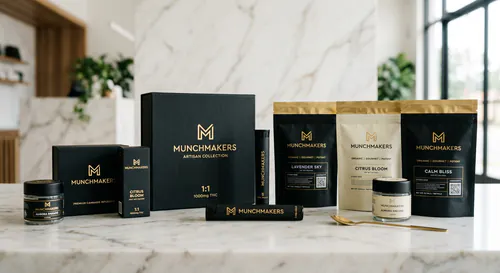
Verpackung ist der Ort, an dem die visuelle Identität in der physischen Welt lebt Ausstiegsbeutel, Mylarbeutel, kleine Schachteln, Fläschchenetiketten, Vorrollröhrchen, Papiertüten für Zubehöreinkäufe - jede davon ist eine Oberfläche, die entweder Ihre Marke verstärkt oder verdünnt Das Ziel ist, dass jeder Artikel, den ein Kunde hinterlässt, das Gefühl hat, vom selben Ort zu kommen.
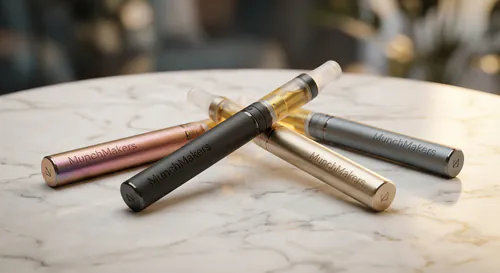
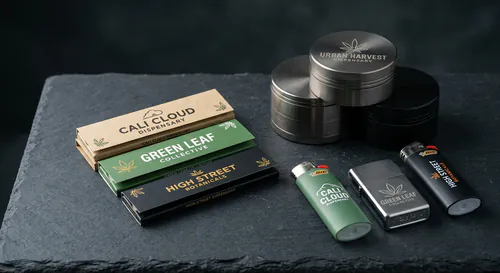
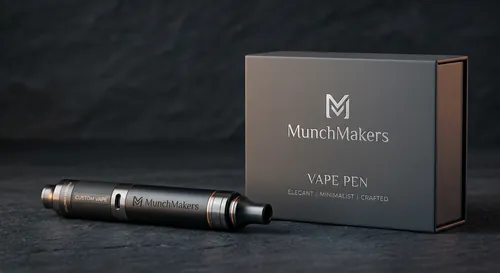
Markenzubehör erweitert die Marke in das tägliche Leben Dazu gehören Dinge wie maßgeschneiderte Rollschalen, Feuerzeuge und Schleifer, die Sie verschenken oder als Ware verkaufen Der Unterschied zwischen einem Produkt, das ein Kunde zu Hause verwendet, und einem Stück Verpackung, das er recycelt, besteht darin, dass das Produkt sichtbar bleibt. Deshalb Werbeartikel Platz verdienen im selben Gespräch wie Verpackung.
Umwelt-Branding deckt den physischen Raum ab: Beschilderung, Vitrinen, Menütafeln, Personaluniformen All das werden wir hier nicht behandeln, aber es ist Teil desselben Systems Wenn jedes Element sich ausrichtet, spüren die Kunden die Kohärenz davon, auch wenn sie nicht artikulieren können, worauf sie reagieren.
Compliance-Einschränkungen und wie man darin arbeitet
Jeder Staat hat Verpackungsanforderungen für Cannabisprodukte, und sie sind nicht klein Kindersichere Verpackungen sind universell Etiketten müssen typischerweise Nettogewicht, THC/CBD-Gehalt, einen Gesundheitswarnhinweis, ein staatlich vorgeschriebenes Regulierungssymbol enthalten, und in einigen Staaten das universelle THC-Symbol (das Ausrufezeichen in einem Stoppschild) Einige Staaten verlangen eine undurchsichtige Verpackung Einige verlangen spezifische Schriftgrößen für Warnhinweise.
Das Arbeiten innerhalb dieser Anforderungen ist nicht optional, aber es muss keine Verpackung hergestellt werden, die wie eine pharmazeutische Beilage aussieht Der Fehler, den einige Apotheken machen, besteht darin, Compliance-Anforderungen als Designbeschränkungen zu behandeln, um sie zu minimieren, und nicht als Elemente, die man integrieren kann Eine gut gestaltete Verpackung kann jede regulatorische Anforderung erfüllen und trotzdem gut aussehen Der Warntext kann durchdacht platziert werden Die regulatorischen Symbole können in das Gesamtdesign integriert werden, anstatt im Nachhinein darauf zu klatschen.
Machen Sie sich über die spezifischen Anforderungen Ihres Staates im Klaren, bevor Sie ein Verpackungsdesign fertigstellen. Die Regeln ändern sich, die Durchsetzung variiert je nach Bundesstaat und was vor 18 Monaten konform war, ist heute möglicherweise nicht mehr. Ein Compliance-Berater ist die Kosten wert, wenn Sie eine vollständige Verpackungsumgestaltung durchführen. Eine Produktionsserie von 10.000 Exit-Beuteln drucken zu lassen und dann festzustellen, dass sie einer neuen Anforderung nicht entsprechen, ist eine teure Lektion.
Kindersichere Verpackung: die Optionen
Kindergesicherte (CR) Anforderungen gelten für Cannabisprodukte in im Wesentlichen jedem Rechtsstaat, Der Compliance-Standard ist in der Regel CPSC 16 CFR 1700.20, der festlegt, wie Verpackungen bei Tests mit Kindern und Erwachsenen funktionieren müssen.
Die wichtigsten CR-Verpackungsformate, die Ihnen begegnen: CR-Reißverschlussbeutel (am häufigsten für Blumen), CR-Push-and-Turn-Röhren (Vorwalzen, Konzentrate), CR-Blechbehälter und CR-Glasgefäße mit Verschlussdeckel Jedes Format hat Vorteile, abhängig vom Produkt, dem Preis, den Sie erreichen möchten, und dem, was Ihre Kunden bequem finden.
CR-Verpackungen kosten mehr als Nicht-CR-Äquivalente, was es wert ist, ehrlich zur Kenntnis genommen zu werden Eine generische Exit-Tasche könnte jeweils $0,08 kosten Eine CR-Mylar-Tasche mit kundenspezifischem Druck wird je nach Größe und Druckkomplexität $0,40 bis $0,80 laufen Bei 100 Transaktionen pro Tag summiert sich die Kostendifferenz auf $10.000 bis $25.000 pro JahrDas ist echtes Geld, und es ist ein legitimer Faktor im Budget-Gespräch Aber es ist auch ein Tischeinsatz für den legalen Betrieb, also die Frage ist wirklich, wie man den besten Markenausdruck innerhalb dieser Kostenspanne bekommt.
Nachhaltige Verpackung: Worum es den Kunden eigentlich geht
Cannabis-Kunden verzerren umweltbewusst, und die Branche hat ein Problem mit dem Verpackungs-Fußabdruck Das Volumen der Einwegverpackungen, die vom Cannabis-Einzelhandel erzeugt werden, insbesondere in Staaten, die für jeden Verkauf CR-Verpackungen benötigen, ist erheblich.
Nachhaltige Optionen existieren und haben sich erheblich verbessert Recyclingmaterialien sind in Kraftpapiertüten, recycelten PET-Beuteln und Pappkartons aus Post-Consumer-Inhalten weit verbreitet Biologisch abbaubare Optionen umfassen einige Mylar-Alternativen und Papiere auf Hanfbasis Wiederverwendbare Verpackungsprogramme, bei denen Kunden Container gegen einen Rabatt zurückbringen, haben in einigen Märkten gearbeitet, benötigen jedoch eine operative Infrastruktur, um die Rücksendungen zu verwalten.
Die ehrliche Einschätzung: Kunden sagen, dass ihnen Nachhaltigkeit am Herzen liegt, und viele tun es wirklich Aber die meisten werden eine Apotheke nicht mit besseren Produkten, Preisen oder Bequemlichkeit auslassen, nur weil die Verpackung nicht biologisch abbaubar ist Nachhaltige Verpackung ist ein Markendifferenzierer und eine Werteerklärung - es ist wichtig, aber es ist normalerweise nicht der primäre Kauftreiber Verwenden Sie es als Teil Ihrer Markengeschichte, wenn es authentisch ist für das, was Ihr Unternehmen tatsächlich glaubt, und geben Sie nicht vor, Nachhaltigkeit zu haben, die Sie nicht praktizieren.
Aufbau eines kohärenten Markenerlebnisses
Im Verpackungsgespräch geht es um mehr als die Tasche, die ein Kunde nach Hause trägt Es geht darum, wie sich das Gesamterlebnis beim Kauf in Ihrer Apotheke anfühlt, von der ersten Übergabe einer Quittung bis hin zum mit nach Hause genommenen Zubehör.
Einige spezifische Möglichkeiten, Kohärenz zwischen Touchpoints aufzubauen:
Exit-Bag und Produktverpackung sollten die Bildsprache teilen Wenn Ihre Marke ein bestimmtes Grün und eine bestimmte Schriftart verwendet, sollten diese Elemente konsequent angezeigt werden Kunden, die Ihre Exit-Bag sehen, sollten sie als Ihre erkennen, ohne den Namen zu lesen.
Aufkleber und Etiketten sind eine kostengünstigere Möglichkeit, Produkte zu marken, die in generischen Verpackungen geliefert werden. Wenn Sie Produkte in White-Label-Verpackungen verkaufen, bindet ein markenkonsistentes Etikett an der Außenseite des Behälters diese an Ihre Identität zurück. Dies ist bei Apotheken, die ihre eigene Hausmarke tragen, üblich.
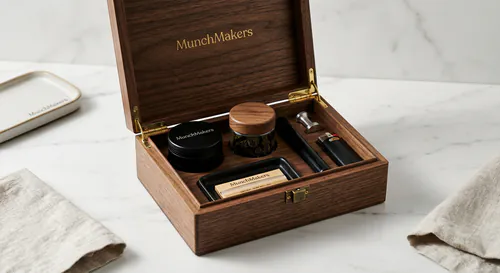
Markenzubehör, das Kunden behalten, wie Markenverpackung Einsätze oder ein individuelles Rollblech im Premium-Kauf, erweitern die Marke in die häusliche Umgebung des Kunden Die Logik hier verbindet sich direkt mit der Werbeproduktstrategie: Ein Markenartikel, der sichtbar bleibt, leistet noch lange nach dem Kauf Markenarbeit Für das vollständige Bild, wie Werbeartikel in ein Apothekenmarketingprogramm passen, ist der Beitrag auf 420 Werbeartikel für Apotheken Budget und Kampagnenplanung gut abdeckt.
Seidenpapier und Einlagen für Produkte der höheren Preisklasse sind ein Detail, das Pflege signalisiert Wenn ein Kunde einen Kauf eröffnet und ihn in Seidenpapier mit Ihrer Markenfarbe eingewickelt vorfindet, kommuniziert diese zusätzliche Sekunde Aufmerksamkeit etwas darüber, wie Ihre Apotheke über das Erlebnis denkt.
Kundenspezifische Rollpapiere als Verpackung
Eine separat zu behandelnde Verpackungskategorie sind kundenspezifische Rollpapiere Diese fungieren gleichzeitig als Produkt, Markenfahrzeug, und Verpackungselement für den Vorwalzen - oder Blumenkauf Jedes Booklet legt dem Kunden im Moment, in dem er sein Produkt aufrollt, seinen Markennamen in die Hand.
Zu den Branding-Möglichkeiten auf kundenspezifischen Rollpapieren gehören der Booklet-Cover (am sichtbarsten, am kundenspezifischsten), die Rollpapiere selbst (einige Marken drucken leicht auf jedes Papier) und die Verpackung, in der das Booklet geliefert wird. Für Apotheken, die ihre eigenen Produkte der Hausmarke herstellen, sind kundenspezifische Rollpapiere eine der kostengünstigsten Möglichkeiten, Markenprodukte in das tägliche Leben der Kunden zu integrieren. Die detaillierte Aufschlüsselung, wie dies funktioniert, finden Sie im Leitfaden Maßgeschneiderte Rollpapiere für Apotheken.
Den richtigen Lieferanten finden
Für kundenspezifische Verpackungen für Cannabis gelten einige spezifische Anforderungen, für deren Handhabung nicht jeder Verpackungslieferant eingerichtet ist. CR-Compliance-Testdokumentation, Unterstützung für staatliche Etikettierungsvorlagen und Vertrautheit mit den regulatorischen Umgebungen für Cannabis müssen Sie bestätigen, bevor Sie ein Projekt starten.
Fragen Sie Lieferanten nach Beispielen für Cannabis-spezifische Arbeit, die sie geleistet haben, und fragen Sie, ob sie CR-Compliance-Dokumentation für jede CR-Verpackung bereitstellen können, die sie liefern. Ein Lieferant, der sowohl die Design-/Druckseite als auch die Compliance-Dokumentationsseite verwalten kann, lohnt sich, eine kleine Prämie zu zahlen, da die Alternative darin besteht, diese beiden Arbeitsabläufe getrennt zu verwalten.
Vorlaufzeiten für kundenspezifische Verpackungen sind erheblich Eine vollständige kundenspezifische Auflage von bedruckten Mylar-Tüten dauert in der Regel sechs bis acht Wochen ab der Genehmigung des Kunstwerks Planen Sie Verpackungsneugestaltungen rund um Betriebszyklen, nicht um Marketingfristen, die Sie drei Wochen später entdecken Die Anzahl der Apotheken, die ein Verpackungsprojekt überstürzt und mittelmäßige Ergebnisse erzielt haben, ist hoch. Geben Sie ihm Zeit.
MunchMakers Funktioniert mit Apotheken auf der Markenzubehör - und Verpackungsseite dieser Gleichung Wenn Sie über eine umfassende Markenauffrischung nachdenken oder ein Werbeartikelprogramm als Ergänzung zu Ihrer Verpackung aufbauen, ist das die Art von Projekt, die wir regelmäßig durchführen.
Die Apotheken, die in überfüllten Märkten auffallen, sind normalerweise nicht diejenigen mit den meisten Standorten oder den tiefsten Rabatten. Sie sind diejenigen, bei denen das gesamte Kundenerlebnis, von der Verpackung über das Zubehör bis hin zur Art und Weise, wie die Marke bei Kunden zu Hause auftaucht, eine zusammenhängende Geschichte erzählt Das ist keine Kleinigkeit. Das macht den Unterschied zwischen Kunden aus, die zurückkommen, weil Sie bequem sind, und Kunden, die zurückkommen, weil sie sich mit Ihrer Marke identifizieren.