The Healthiest Rolling Papers You Can Buy in 2026
Quick Navigation
Why Papers Matter More Than Most People Think
Most smokers spend real money on quality herb and then roll it in whatever papers are closest to the register. That's backwards. The paper you use burns right alongside your material — meaning what's in that paper ends up in your lungs every single time.
Not all rolling papers are made the same way. Some are made from natural plant fibers with minimal processing. Others go through industrial bleaching, have burn accelerants added, or use synthetic adhesives. The cheap papers at a gas station and a quality unbleached hemp paper are genuinely different products in terms of what they put into your smoke.
This guide covers the main materials used in rolling papers, what the research and ingredient labels actually tell us about health, which brands hold up to scrutiny, and what to look for when you're buying. If you're already buying quality herb, it makes sense to think the same way about your papers.
Rolling Paper Materials: What They're Actually Made From
Rolling papers are thin sheets made from plant fibers. The material determines burn rate, taste, how much paper smoke gets mixed into your hit, and how easy they are to roll. Here's how each type compares.
Hemp Papers
Hemp papers have become the go-to for health-conscious smokers, and the reasons are pretty straightforward. Hemp fibers are naturally tough and porous, which means hemp papers burn slowly and evenly without needing chemical burn accelerants. They're also sturdy enough to work with even if your rolling technique isn't perfect yet.
Unbleached hemp papers have that recognizable light brown or tan color — they haven't been whitened with chlorine or other bleaching agents. The taste is slightly earthy but neutral enough that you're mostly tasting your herb. From a health standpoint, unbleached organic hemp is the most defensible choice you can make. The raw material is clean, the processing is minimal, and there's no residual bleach chemistry in the paper.
Hemp papers do burn a bit faster than rice papers, and some very thin ones can be delicate, but they're generally more forgiving than rice. For most smokers, hemp is the practical default if health is the priority.
Rice Papers
Rice papers are the thinnest papers you'll commonly find — some are almost translucent. Because the paper itself is so minimal, they contribute almost nothing to the smoke. No taste, near-zero ash, clean burn. For anyone who's particularly sensitive to paper smoke or wants the most neutral wrapper possible, rice papers are hard to beat on that specific metric.
The trade-off is handling. Rice papers are finicky. They don't grip your herb as well as hemp, they're more prone to tearing, and if your hands are damp at all, they become even more difficult. Experienced rollers love them; beginners often find them frustrating. If you're newer to rolling, the learning curve is real — but some people do find them worth it once they get the technique down.
Rice papers are also a good option if you run slow — they don't canoe as easily as wood pulp papers and can sit between hits without burning unevenly.
Wood Pulp Papers
Wood pulp is what most classic rolling papers have always been made from. Zig-Zag, for instance, built their reputation on wood pulp papers. They're thicker, stiff, and easy to handle — which is why they were the standard for decades and still appeal to people who want something they can reliably roll without overthinking it.
The downsides from a health perspective are real though. Wood pulp papers are typically bleached white, they burn faster than hemp or rice (sometimes unevenly), and you're burning more paper per session. You'll notice the taste difference compared to a thin hemp paper — there's a distinct paper flavor that some people don't mind and others find off-putting. They're not the worst thing in the world, but if you're trying to reduce unnecessary additives in your smoke, wood pulp papers don't offer much going for them health-wise.
Flax Papers
Flax (linen) papers occupy a middle ground between hemp and rice. They're thin with a smooth texture, burn slowly and cleanly, and are somewhat easier to handle than rice papers. OCB Premium is the most recognized flax paper, and it's generally well-regarded. The material is natural, the burn is clean, and for people who find rice papers too finicky but want something thinner and cleaner than standard wood pulp, flax papers are a reasonable middle option.
Transparent/Cellulose Papers
These clear papers — made from plant cellulose — look striking and are a novelty for some smokers. They're genuinely tasteless. However, cellulose papers can be tricky to roll (they're slippery), they burn more slowly than other papers, and the environmental profile is less clean than hemp or rice. They're interesting but not generally recommended from a health-first perspective unless you specifically have taste sensitivities to all other materials.
What Actually Matters for Health
The "safest rolling papers" question comes down to a few specific factors. Here's what's worth paying attention to and what's mostly marketing.
Bleaching and Chemical Processing
This is probably the most significant factor. White rolling papers are white because they've been bleached. Historically, chlorine was used for this; many manufacturers have switched to chlorine-free processes (often using oxygen or ozone bleaching), but bleached is still bleached. The concern is residual chlorine compounds and other bleaching byproducts that can be released when the paper burns.
Unbleached papers avoid this entirely. They're brown or tan because they haven't been whitened. If a paper explicitly says "unbleached" on the packaging, that's a meaningful label — it means the fiber is closer to its natural state. For hemp papers especially, unbleached is the cleanest option available.
Some brands make "ultra-white" papers without chlorine by using other agents. That's an improvement over chlorine-bleached, but unbleached is still the most straightforward choice if minimizing chemical exposure is your goal.
Burn Additives
Some papers — particularly cheaper wood pulp brands — include chemical agents that make them burn at a consistent rate. These prevent canoeing (uneven burning on one side) and keep the paper lit even if you stop smoking for a moment. For cigarette papers, this is actually regulated in many countries as a fire safety measure.
The problem is that these additives are synthetic chemicals that get burned and inhaled. Premium papers advertise that they're additive-free and rely on the natural burn properties of the material. Hemp and rice papers burn slowly enough on their own that they don't need accelerants — another reason they're the preferred materials for health-conscious smokers.
Look for papers labeled "additive-free" or "no burn additives." RAW papers are probably the most widely recognized brand to make this a selling point, and it's legitimate.
The Gum Strip
The thin adhesive line along the edge of the paper seals the joint when licked. Quality papers use natural gum arabic — a food-grade adhesive derived from acacia trees. It's tasteless, non-toxic, and burns cleanly. Many premium brands use it as a selling point because it's genuinely better than alternatives.
Cheap papers sometimes use synthetic adhesives, which can have an off-taste and an unknown burn chemistry. There's no great way to verify this short of brand transparency, so sticking with established brands that advertise natural gum is the most reliable approach.
Thickness
Thinner paper means less paper being burned per session. Rice papers are the thinnest, followed by fine/ultra-thin hemp papers, then standard hemp, then wood pulp. From a pure harm-reduction standpoint, thinner is better because you're burning less paper material overall. That said, the differences are modest compared to the bleaching and additive factors — a thick unbleached hemp paper is still far preferable to a thin bleached one with burn additives.
Organic Certification
Organic hemp means the source plant was grown without synthetic pesticides or herbicides. Whether meaningful residues survive into the finished paper is debatable — paper processing is fairly thorough — but for people who are committed to organic products more broadly, certified organic papers are available from several brands. RAW Organic Hemp and Greengo Organic are two examples. It's a "nice to have" rather than a must-have, but for brand buyers or dispensary customers who care about it, it's worth knowing the option exists.
Flavored Papers
Flavored rolling papers — strawberry, blueberry, honey, etc. — have added flavorings that are burned and inhaled along with everything else. The flavorings themselves vary widely in how they're produced. Some are naturally derived; most are artificial. None of them make the paper healthier. If health is a genuine concern, unflavored papers are the obvious choice.
Worth noting: Many inexpensive papers — particularly ones sold at gas stations, dollar stores, or in bulk economy packs — don't disclose their ingredients at all. The concern isn't hypothetical: testing has found pesticide residues, heavy metals, and other contaminants in low-quality papers. The premium you pay for a name brand with transparent sourcing is small relative to what you're spending on herb, and the difference in what ends up in your smoke is real.
Practical takeaway: Unbleached hemp or rice papers, additive-free, with natural gum arabic. That's the combination that checks every box. Brands that tell you exactly what's in their papers are worth trusting more than ones that don't.
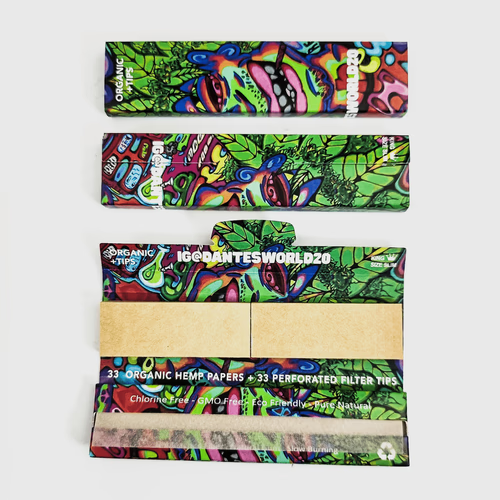
The Brands That Hold Up
A few brands consistently come up when the conversation is specifically about clean, health-conscious papers. Here's what distinguishes them.
RAW
RAW is the most recognized brand in this space, and the reputation is earned. Their papers are made from a blend of unrefined hemp and flax fibers — the natural brown color is intentional, not a sign of inferior processing. They contain no burn additives, no chlorine, and use natural gum arabic. The watermark pattern (a criss-cross you can see when held to light) is designed to help the paper burn evenly without needing chemical accelerants.
RAW Organic Hemp adds certified organic sourcing on top of everything else. The Classic line is their original unbleached paper. King Size Slim is probably their most popular format. For dispensaries and smoke shops stocking papers, RAW is the most requested brand by customers who know what they're looking for.
Elements
Elements rice papers are a go-to for smokers who want the cleanest possible burn. Made from rice and sugar — the gum is actually made from sugar rather than acacia — they burn to nearly white ash with almost no residue. The sugar gum burns cleanly and produces very little taste. For smokers who are particularly taste-sensitive or want to minimize paper smoke as much as possible, Elements is frequently the answer.
The handling issue mentioned earlier applies here: rice papers require some practice. Elements also makes an Ultra Thin hemp paper for people who want the easier handling of hemp with thinner paper.
OCB
OCB has been making rolling papers since 1918 and produces several lines relevant to health-conscious smokers. OCB Organic Hemp is certified organic, unbleached, and additive-free with natural gum. OCB Premium uses ultra-thin flax papers that burn exceptionally cleanly. OCB X-Pert is a thinner standard paper for those who prefer wood pulp but want something less heavy.
OCB is widely available in Europe and increasingly common in North American dispensaries. Their pricing is reasonable, and the quality is consistent.
Smoking (Brown/Organic)
The Smoking brand's Brown and Organic lines use unbleached papers and are popular in European markets. They're a bit less known in North America but hold up well against the better-known brands on ingredient transparency and burn quality. Worth mentioning for dispensaries that source from Spanish or European suppliers.
Zig-Zag (with context)
Zig-Zag is the most iconic rolling paper brand in North America and has been around since the 1870s. Their standard papers are bleached wood pulp — not the healthiest option, but they're reliable and familiar. Zig-Zag does make an organic hemp line that addresses most of the concerns with their standard papers. If customers ask for Zig-Zag specifically, pointing them toward the hemp version over the classic white papers is worth doing.
Juicy Jay's (what to know)
Juicy Jay's are popular and widely stocked, particularly with younger customers who like the flavored options. They're honest about being a flavored paper — terpene-infused and triple-dipped. For people who don't prioritize health-conscious smoking, they're fine. But they're on the opposite end of the spectrum from unbleached hemp: they're specifically designed to add flavor, which means more additives. Stocking them makes commercial sense; recommending them as a health choice doesn't.
Paper Sizes: Which One Do You Need?
Rolling paper sizes are fairly standardized across the industry. Here's a quick reference:
| Size | Approx. Dimensions | Best For |
|---|---|---|
| Single Wide | ~68mm x 34mm | Solo sessions, standard cigarette size |
| 1 1/4 | ~79mm x 44mm | Most popular size; good for most uses |
| 1 1/2 | ~79mm x 60mm | Wider papers for fuller rolls |
| King Size | ~100mm x 55mm | Group sessions, larger rolls |
| King Size Slim | ~110mm x 44mm | Long and narrow; popular for specialty rolls |
1 1/4 is the default for most people. King Size Slim is popular with experienced rollers who want more length without the extra width. For dispensaries ordering custom branded papers, 1 1/4 and King Size cover the majority of customers.
How to Buy Smart
A few things worth keeping in mind when you're sourcing papers, whether for personal use or for a dispensary or smoke shop.
Read the Label
Any brand serious about quality will tell you what's in their papers. Look for: material type (hemp, rice, flax), whether it's bleached or unbleached, whether it's organic, the gum type, and whether it contains burn additives. If the packaging just says "cigarette paper" or "rolling papers" with no further ingredient information, that's not a good sign. Brands that are confident in their product tend to be transparent about it.
Reputation Is Usually Earned
RAW, OCB, Elements, and similar brands aren't popular because of marketing — they're popular because enough people have smoked enough rolls with them to know what they get. That kind of reputation for quality papers tends to be meaningful. Unknown brands with no track record, particularly ones with suspiciously low prices, are worth treating with skepticism.
Matching Paper to Skill Level
There's no universal right answer on thickness. Someone who rarely rolls and does it slowly will have a different experience with ultra-thin rice papers than someone who rolls quickly every day. If you're stocking papers at a shop, having options across the spectrum makes sense. If you're a new roller, starting with a standard hemp paper is more forgiving while you develop technique, and you can move to thinner options later.
Price vs. Quality
Quality papers cost more than budget papers — but we're talking about the difference between $2 and $4 for a booklet, not a major expense. Given how much people spend on herb, optimizing for the cheapest possible papers is a genuinely poor trade-off. The cost difference is trivial; the difference in what you're inhaling is real.
Where to Buy
Smoke shops and dispensaries that know their products will carry the good brands. Online retailers have the widest selection. Gas stations and convenience stores are where you find the papers to avoid — they stock whatever is cheapest, not what's best. If you're a shop owner looking at custom branded rolling papers, the material you choose matters both for your customers' health and for the quality signal your brand sends.
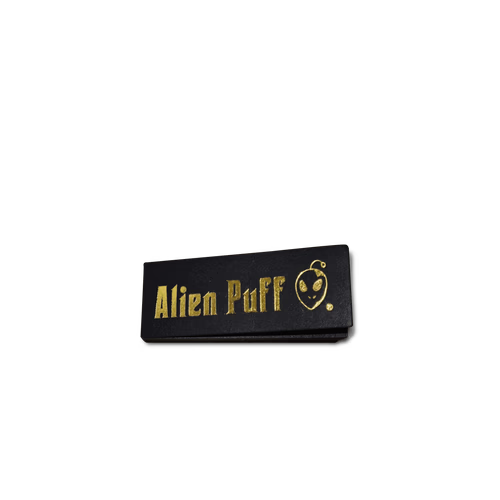
Custom Papers for Dispensaries and Brands
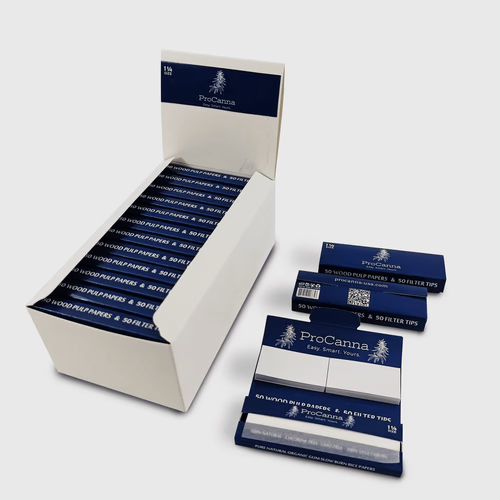
If you're a dispensary, cannabis brand, or smoke shop looking at custom rolling papers — papers with your branding on the booklet — the material question applies here too. Customers who care about quality papers will notice if you're sourcing cheap wood pulp papers with your logo on the cover. Stocking custom unbleached hemp papers sends a consistent message about what your brand values.
Custom papers are typically produced in the same factory runs as the major brands and can be ordered in most standard sizes. The paper quality available for custom orders covers the full spectrum — from standard bleached wood pulp up to unbleached organic hemp — so there's no reason to default to the cheapest material just because you're adding branding.
For dispensaries in particular, custom rolling papers have become a standard part of the branded merchandise offering. Pre-rolls packaged in custom paper booklets, branded accessories for in-store sales, and promotional merchandises are all common uses. The paper quality you choose reflects directly on the experience customers associate with your brand.
Common Questions
Bottom Line
The difference between the best and worst rolling papers on the market isn't academic. Unbleached papers skip the chlorine chemistry. Additive-free papers don't put synthetic burn accelerants in your smoke. Natural gum arabic seals are better than unknown adhesives. These are concrete distinctions, not marketing language.
For most people, the practical recommendation is simple: buy unbleached hemp papers from a brand that's transparent about ingredients. RAW, OCB Organic, and Elements are the standard recommendations for good reasons. Rice papers are the cleanest-burning option if you can handle them. Skip flavored papers and anything that doesn't tell you what's in it.
The market for quality papers has matured significantly — there are real options now at every price point and in every size. There's genuinely no reason to use sketchy papers when clean alternatives are widely available and affordable.
Need Custom Rolling Papers for Your Dispensary?
Browse Our Selection →