Die Grundlagen: was die Stückzahl eigentlich bedeutet
Wenn jemand nach Schleifmaschinengrößen fragt, meint er meist zwei Dinge auf einmal: Wie viele Kammern die Schleifmaschine hat und wie breit sie ist Beides ist wichtig, aber es ist aus unterschiedlichen Gründen wichtig, lass sie mich getrennt aufschlüsseln, damit du herausfinden kannst, was du eigentlich brauchst, anstatt einfach zu greifen, was cool aussieht.
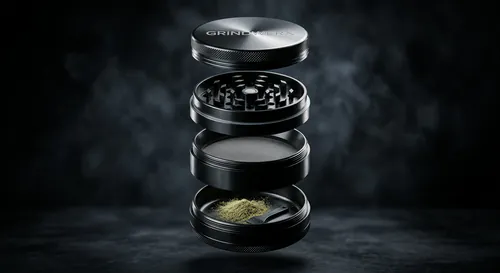
Die "Stück" - Zählung sagt dir, wie die Mühle gebaut ist Eine 2-teilige Mühle ist nur eine Ober - und eine Unterseite, man mahlt, das Material fällt in die gleiche Kammer, wo die Zähne sind, und man kratzt es aus Das ist der ganze Mechanismus Ein 3-teiliges fügt eine Aufbewahrungskammer unter einem Sieb hinzu, so dass geschliffenes Material durch Löcher fällt und in einem Reinigerfach sitzt Ein 4-teiliges fügt unten eine dritte Kammer mit einem feinmaschigen Sieb hinzu, das mit der Zeit Kief fängt.
Die meisten der Kräuterschleifer Sie werden heute finden, sind entweder 2-teilig oder 4-teilig Drei-teilige Designs existieren, sind aber weniger verbreitet, weil das 4-teilige nicht viel teurer ist und Ihnen den Kief-Fänger oben auf alles andere gibt.
2-teilige Schleifer: für wen sie eigentlich sind
Ein 2-teiliger Schleifer bekommt einen schlechten Ruf, weil die Leute von einfacher ausgehen, heißt schlechter Das ist nicht ganz richtig Was 2-teilig bedeutet, sind weniger Teile zum Reinigen, weniger Fäden zum Abziehen, und nichts zum wieder zusammenbauen, wenn man morgens halb wach ist.
Wenn Sie alleine rauchen, schnell Material durchgehen und sich nicht besonders um das Sammeln von Kief kümmern, ist ein 2-teiliges wahrscheinlich alles, was Sie brauchen. Es ist auch das einzige Design, das bei sehr kleinen Durchmessern (unter 40 mm) sinnvoll ist, da einfach nicht genügend Innenraum vorhanden ist, um Arbeitsschirme und eine Kief-Kammer unterzubringen.
Der eigentliche Nachteil ist, dass sich in der Mahlkammer Mahlgut und Schmutz der Zähne vermischen, man kratzt am Ende mit einer kleinen Bürste oder klopft mit dem Mahlwerk gegen die HandflächeEs funktioniert, aber es ist chaotischer als eine eigene Sammelkammer.
4-teilige Schleifer: nicht ohne Grund der Standard
Vierteilige Schleifer wurden zum Standard, da sie zwei Probleme auf einmal lösen Die Sammelkammer hält Ihr Mahlgut sauber und von Schleifabfällen getrennt Der Kieffänger sammelt über Wochen der Nutzung Potenz an, ohne dass Sie etwas extra machen.
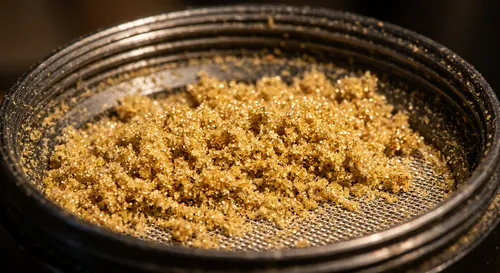
Kief ist das feinkristalline Pulver, das beim Schleifen abfällt, die meisten ignorieren es entweder ganz oder kratzen es ab und zu für einen konzentrierteren Rauch aus, das macht ein 4-teiliges Mahlwerk mit Mesh-Sie schrauben einfach alle paar Wochen die untere Kammer ab und finden einen kleinen Haufen Kief wartend.
Die Mesh-Siebqualität variiert stark zwischen den Schleifern Günstige Siebe verstopfen, dehnen oder lassen Material durch, das zu grob ist Ein guter Bildschirm sitzt fest, bleibt flach und verzieht sich nach einigen Monaten der Verwendung nicht Wenn Sie ein individuelles 4-teiliges kaufen, fragen Sie nach der Sieblehre. Ein 150-Mikron-Netz ist üblich; 100-Mikron fängt feineres Material auf, verstopft aber schneller.
Größentabelle: Durchmesser im Vergleich zu dem, was es passt
Durchmesser wird über die Oberseite des Mahlwerks gemessen Hier erfahren Sie, wie sich die gängigen Größen in der Praxis tatsächlich auswirken:
| Durchmesser | Typische Stücke | Mahlleistung | Am besten für |
|---|---|---|---|
| 28-35 mm | 2-teilig | 0,3-0,5 g pro Mahlgut | Schlüsselanhänger-Trage, einzelne Sitzungen |
| 40 mm | 2- oder 4-teilig | 0,5-0,7 g pro Mahlgut | Taschentragen, leichte tägliche Anwendung |
| 50 mm | 4-teilig | 0,8-1,2 g pro Mahlgut | Häufigste "Alltags" - Größe |
| 63 mm | 4-teilig | 1,5-2 g pro Mahlgut | Gruppensitzungen, Heimgebrauch |
| 75 mm+ | 4-teilig | 2,5 g+ pro Mahlgrad | Heavy-Use, im Stil einer Apotheke |
Im 50 mm Bereich landen die meisten Menschen, es passt in eine Jackentasche, ohne unangenehm zu sein, bewältigt eine komplette Sitzung, ohne dass ein zweiter Grind nötig ist, und die 4-teilige Version sammelt Kief zu einem vernünftigen Preis, wenn Sie unsicher sind, beginnen Sie dort.
Wenn größer ist, ist es tatsächlich besser
Größere Schleifer dienen nicht nur zum Angeben Es gibt echte funktionelle Gründe, größer zu werden, und es kommt darauf an, wie viele Zähne um die Schleiffläche passen.
Eine 63 mm Schleifmaschine passt mehr Zähne als eine 50 mm Mehr Zähne bedeutet kürzere Mahlzeit, gleichmäßigere Partikelgröße und weniger Chance, dass ein großes Stück an einem einzelnen Zahn hängen bleibt und reißt statt Schnitte Wenn Sie schon einmal eine besonders dichte Knospe gemahlen haben und am Ende nach 20 Umdrehungen die Hälfte des Materials noch klobig war, haben Sie wahrscheinlich eine Schleifmaschine benutzt, die zu klein für den Auftrag war.
Gruppeneinsatz ist der andere naheliegende Fall, um größer zu werden Genügend für drei oder vier Personen in einer 40-mm-Schleifmaschine bedeutet drei oder vier separate Schleifmaschinen Eine 63-mm - oder 75-mm-Schleifmaschine bewältigt die ganze Gruppe in einem Rutsch XL 4-teilige Schleifmaschine 75 mm ist und speziell für diese Art von Schwerlastsituation gebaut wurde Es hat auch eine tiefere Kief-Kammer als die meisten Standard-4-teiligen Designs, was einen Unterschied macht, wenn Sie häufig schleifen.
Eines unterschätzt man bei großen Schleifmaschinen: Sie sind leichter zu halten, der zusätzliche Durchmesser gibt den Fingern mehr Oberfläche zum Greifen, wenn man schon einmal Mühe hatte, eine kleine Schleifmaschine zu drehen, weil die Hände verschwitzt oder kalt waren, lohnt es sich, darauf zu achten.
Wenn es bei tragbaren Geräten um mehr als nur die Kapazität geht
Es gibt eine Version dieses Gesprächs, wo ich einfach jedem sage, er solle die größte Mühle kaufen, die er finden kann, aber das ignoriert, wie viele Leute eine Mühle außer Haus benutzen Mit 75 mm passt eine Mühle nicht sauber in die meisten Taschen Sie sitzt in einer Tasche, bleibt auf einem Schreibtisch oder geht in einen Rucksack Das ist für manche in Ordnung und für andere völlig falsch.
Wenn Sie häufig reisen, wandern oder einfach lieber alles in der Vordertasche tragen, ist die 40 mm Reichweite die praktische Wahl Sie geben etwas Schleifkapazität und ein bisschen Kief-Sammeleffizienz auf, aber Sie gewinnen etwas, das tatsächlich mit Ihnen kommt.
Am äußersten Ende der Portabilität, so etwas wie unsere Mini Schlüsselanhänger Schleifer Klammern direkt an Ihre Tasten Es schleift etwa ein halbes Gramm auf einmal, hat keine Kief-Kammer, und passt in eine Münztasche Es ist ein 2-teiliges bei etwa 28 mm Das ist kein Kompromiss für Leute, die dieses Maß an Portabilität brauchen Es ist das richtige Werkzeug für den Job.
Der Fehler, den die meisten machen, ist der Kauf einer Mühle, die entweder zu groß ist, um sie bequem zu tragen, oder zu klein, um das zu mahlen, was sie tatsächlich in einer Sitzung verwenden Finden Sie heraus, wo Sie Ihre Mühle am häufigsten verwenden, bevor Sie sich für eine Größe entscheiden.
Kief-Fänger richtig erklärt
Ein Kieffänger ist nur die untere Kammer eines 4-teiligen Mahlwerks Die Schleifkammer sitzt über einem Metallsieb (meist irgendwo zwischen 100 und 200 Mikrometer), beim Schleifen fallen feine Partikel durch das Sieb in die untere Kammer, während größeres Grundmaterial über dem Sieb in der Sammelkammer verbleibt.
Das sich ansammelnde Kief sind vor allem Trichome, es ist konzentrierter als das darüber liegende Grundmaterial, weshalb es von Menschen aufgehoben wird, häufige Verwendungszwecke sind das Hinzufügen in eine Schüssel, das Pressen in Hasch oder das bloße Bestreuen auf eine Rolle.
Ein paar Dinge beeinflussen tatsächlich, wie viel Kief Sie sammeln:
- Bildschirmgröße: Feineres Netz fängt mehr, verstopft jedoch schneller und muss häufiger gereinigt werden
- Schleifdurchmesser: Eine größere Schleiffläche bedeutet, dass pro Schleifvorgang mehr durchfällt
- Wie trocken Ihr Material ist: Trockeneres Material zerfällt mehr und produziert mehr Kief
- Mahldauer: Mehr Umdrehungen bedeuten, dass mehr Material über den Bildschirm gelangt
Ein Kaltschleifer sammelt mehr Kief, wenn man seine Mühle vor dem Öffnen der Kiefkammer 20 Minuten in den Gefrierschrank stellt, werden die Trichome brüchiger und fallen leichter, manche klopfen leicht auf die Seite ihres Mahlwerks, während es im Gefrierschrank steht, um mitzuhelfenEs klingt übertrieben, funktioniert aber auffallend gut.
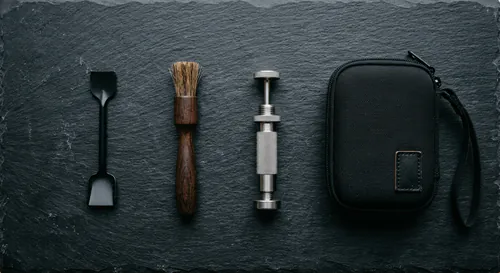
Das Reinigen des Bildschirms ist wichtiger als die meisten denken Ein verstopfter Bildschirm sammelt sich nicht mehr ganz ein Eine kleine steife Bürste (die Art, die mit Kaffeemühlen oder Elektrorasierern geliefert wird) funktioniert gut Für eine gründliche Reinigung ist Isopropylalkohol und ein Einweichen mit anschließendem Volltrockenen der richtige Weg. Nicht wieder zusammenbauen, bis der Bildschirm vollständig trocken ist.
Material und Zahngestaltung: wonach Sie suchen müssen
Aluminium in Flugzeugqualität (Legierung 6061 oder 7075) ist aus einem bestimmten Grund der Standard Es ist leicht, korrodiert nicht, hält ein festes Gewinde und hinterlässt keine metallischen Rückstände Zinklegierung ist billiger und schwerer Acryl bricht, wenn ein Mahlwerk die Legierung nicht angibt, ist das normalerweise ein Zeichen dafür, dass es Zink ist.
Zahnform beeinflusst die Mahlqualität mehr, als die meisten Menschen ahnen Diamantförmige Zähne mit einer scharfen Kante sauber geschnitten Peg-Stil Zähne (runde Pfosten) reißen mehr als schneiden und erzeugen ungleichmäßige Partikelgrößen Für die meisten Anwendungen erzeugt das Diamantzahndesign einen besseren, gleichmäßigeren Schleif.
Auch die Zahnanzahl bei gegebenem Durchmesser ist eine Überprüfung wert Eine 50 mm Schleifmaschine mit 12 Zähnen schleift anders als eine mit 24 Zähnen bei gleichem Durchmesser Mehr Zähne bei gleicher Größe bedeutet feineres Schleifen und kürzere Schleifzeit, aber die Zähne müssen richtig geformt sein oder man bekommt einfach mehr Reißen.
Weitere Einzelheiten dazu, wie sich Materialien im Laufe der Zeit auf Haltbarkeit und Mahlqualität auswirken, finden Sie in unserem Leitfaden Schleifmaterialien verglichen.
Passende Größe an, wie viel Sie tatsächlich verbrauchen
Hier ist ein praktischer Rahmen Überlegen Sie, wie viel Sie normalerweise auf einmal für eine einzelne Sitzung mahlen Wenn es unter 0,5 g ist, bewältigt ein 40 mm Schleifer so fein Wenn es 0,5-1 g ist, ist 50 mm Ihre Reichweite Wenn Sie regelmäßig mehr als 1 g auf einmal mahlen oder für mehr als eine Person mahlen, gehen Sie zu 63 mm oder größer.
Überlegen Sie, wo die Mühle wohnt Nur Heimgebrauch? Größe nach oben, der Tragbarkeits-Kompromiss gilt nicht Immer auf Sie? Größe nach unten oder bleiben Sie zumindest bei 50 mm.
Überlegen Sie, ob Ihnen kief wichtig ist Wenn Sie noch nie kief verwendet haben und sich nicht darum kümmern, ist ein Qualität 2-teilig im richtigen Durchmesser vollkommen ausreichend Wenn Sie es sammeln möchten, wird ein 4-teilig in 50 mm oder größer eine sinnvolle Menge über ein paar Wochen der regelmäßigen Nutzung ansammeln.
Für mehr Hilfe bei der Anpassung der Mahlwerksgröße an Ihre typischen Chargenmengen ist die Leitfaden zur Anpassung der Mahlkapazität Auf diese konkrete Frage näher eingeht.
Die Kurzversion: 50 mm 4-teilig deckt die meisten Menschen, kleiner werden, wenn die Tragbarkeit im Vordergrund steht, größer werden, wenn die Kapazität oder Gruppennutzung im Vordergrund steht Stückzahl zählt weniger als Durchmesser, sobald Sie den 40 mm Bereich überschritten haben, denn bei 50 mm und über dem 4-teiligen Design ist in der Regel die kleinen Extrakosten wert.