Glass ashtrays: the most elegant option (and how to keep them beautiful)
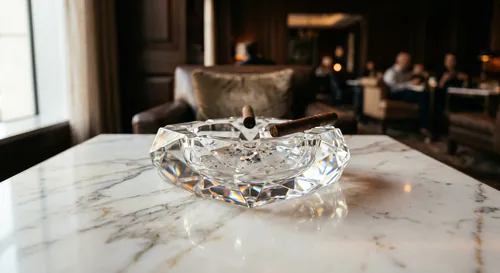
Glass ashtrays have a specific kind of appeal that no other material quite replicates. There's something about the weight of a thick piece of glass on a table, the way light moves through it, the satisfying solidity when you set a cigarette down. A well-made glass ashtray is genuinely a nice object, and that matters if you care about what your living space or lounge looks like.
But glass varies enormously in quality, and the difference between a $12 glass ashtray and a $80 one isn't just price - it's the type of glass, the manufacturing process, and how long it will actually last under regular use.
Types of glass and what they mean in practice
Borosilicate glass is what high-quality lab equipment and premium glass pieces are made from. It handles thermal shock much better than standard glass because it expands and contracts very little with temperature changes. If you set a hot cherry down on borosilicate, the rapid temperature change is much less likely to cause cracking than with ordinary glass. For an ashtray, this matters. Borosilicate is usually heavier and clearer than soda-lime glass.
Soda-lime glass is the most common type used in cheaper ashtrays. It's fine for normal use but more vulnerable to thermal shock. If you drop a hot cherry on it repeatedly or pour cold water into a hot ashtray to extinguish butts, you're asking for cracks over time. Most mass-market glass ashtrays are soda-lime.
Crystal is lead crystal or lead-free crystal (barium crystal is the common lead-free version). Crystal has a higher refractive index than regular glass, which is why it sparkles and catches light so distinctively. A quality crystal ashtray is genuinely beautiful. The downside is that crystal is more brittle than borosilicate - it's stunning but it will shatter if dropped. Crystal ashtrays belong in stable, low-risk environments, not outdoor patios.
Tempered glass has been heat-treated to increase its strength against impact. When it does break, it shatters into small pebbles rather than sharp shards. Some modern ashtrays use tempered glass specifically for safety. The visual result is similar to standard soda-lime glass. Worth noting if you have pets or children in the household.
Why glass works well as an ashtray material
Glass is non-porous. It doesn't absorb odors or stains into the material itself the way unglazed ceramic or some metals can. When you clean a glass ashtray, you're removing everything that's on the surface, not fighting residue that's soaked in.
The weight of a heavy glass ashtray is functional, not just aesthetic. It doesn't slide around. It doesn't blow off outdoor tables (within reason). A 500g glass ashtray stays where you put it in a way that a lightweight plastic one doesn't.
Glass doesn't impart any taste or smell to the environment around it. Metal ashtrays, especially cheap ones, can develop a metallic odor. Silicone is neutral but can hold ambient smells. Glass doesn't have this problem.
Customization options: etching and sandblasting
Glass is one of the best materials for permanent customization because the two main methods - etching and sandblasting - work with the glass itself rather than a coating on top of it. The result doesn't peel, fade, or wear off with washing.
Acid etching uses a chemical paste or a controlled bath to remove the smooth surface of the glass in a specific pattern, leaving a frosted matte finish where the design is. It produces crisp, detailed results and is suitable for logos, text, and fine artwork. Most custom glass engraving you've seen on gift shop items is acid etching.
Sandblasting uses abrasive particles propelled at high speed to abrade the glass surface. The result is similar to etching but sandblasting can achieve depth and dimension that etching can't - it can carve into the glass rather than just matting the surface. For bold logos and deep-impression designs, sandblasting produces a more tactile result. You can feel the design when you run your finger over it.
Color infill (filling etched areas with enamel paint) adds another visual dimension. A sandblasted logo with white or colored enamel fill on a clear glass ashtray reads as premium and professional.
For dispensaries and lounges looking for high-end branded pieces, custom ashtrays in etched or sandblasted glass are among the most memorable branded items you can put in front of customers.
How to clean a glass ashtray without scratching it
The only mistake people make with glass ashtrays is using abrasive scrubbers. Steel wool, rough sponge pads, and gritty cleaning powders will scratch glass. The scratches aren't deep individually, but accumulated micro-scratches make glass look cloudy and dull over time.
Warm water, dish soap, and a soft cloth or sponge are sufficient for regular cleaning. For ash residue that's dried in, soak the ashtray in warm soapy water for a few minutes before scrubbing. That almost always loosens everything without any force required.
For mineral deposits (white calcium marks from water drying on the surface), white vinegar dissolves them immediately. Soak or wipe with undiluted white vinegar, let it sit for a minute, then rinse. No scrubbing needed.
For a deeply stained glass ashtray - dark residue from oil or resin - isopropyl alcohol is very effective. A cotton ball or soft cloth soaked in 90%+ IPA will lift residue that soap and water won't touch. This is safe for all glass types and won't damage any etched or sandblasted designs.
Where glass ashtrays belong and where they don't
Glass is the right choice for any indoor environment where aesthetics matter and the ashtray won't be at high risk of being knocked over. A home lounge, a private smoking room, a dispensary display area, a hotel room: these are all good settings for glass.
Outdoor patios, shared casual spaces, and anywhere with children or pets are riskier. A high-quality crystal ashtray on an outdoor table with a dog that bumps into things is a predictable loss waiting to happen.
The ashtray material comparison guide covers glass vs ceramic vs silicone vs metal across different use cases in more detail. And if you're deciding on a custom piece for a dispensary or lounge, the branded ashtray guide walks through the customization options worth considering.