Hemp vs rice rolling papers: a detailed comparison for better sessions
Most people end up with one or the other by default, based on whatever their local shop stocks or what their friends smoke. That's not a particularly thoughtful way to choose something you interact with multiple times per day. Hemp papers and rice papers are genuinely different products with different strengths, and which one is better depends on what matters to you specifically.
What each paper is actually made from
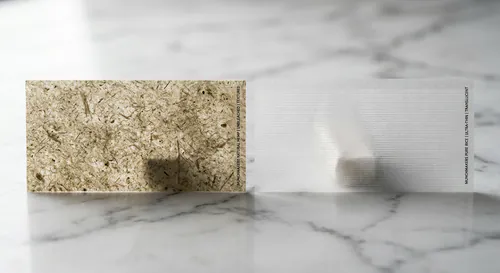
Hemp rolling papers use fibers from the hemp plant (cannabis sativa, specifically cultivars grown for fiber rather than cannabinoids). The fiber is processed into pulp, formed into sheets, and cut to rolling paper size. The result is a paper with visible texture and a slightly warm, off-white or tan color. You can often see the fiber pattern when you hold a hemp paper up to light.
Rice papers use processed rice starch formed into very thin, translucent sheets. The processing removes almost all the organic taste from the material, and the resulting paper is notably thinner than hemp. Held up to light, a quality rice paper is nearly translucent. Most rice papers are white or very pale, though unbleached versions have a slightly warmer tone.
Burn rate
Rice papers burn slower. This is probably the most consistent and agreed-upon difference between the two materials, and it matters more than people initially expect. Slower burn means longer sessions, more time between relights (or in theory, none at all if you pack well), and more opportunity for the smoke itself to be the dominant flavor rather than the paper.
Hemp papers burn at a medium pace, faster than rice but slower than standard wood pulp papers. For most joint smokers, hemp burn rate is perfectly acceptable. The difference becomes most apparent when you're smoking in a group and passing a joint that needs to stay lit over several minutes, or when you're doing something elaborate like a large roll or a slow-smoke format.
Thickness and handling
Hemp papers are thicker, which makes them substantially easier to handle for people still learning to roll. They hold their shape while you're working with them, tolerate moisture from licking without falling apart or becoming translucent and fragile, and forgive mistakes more readily. If you're learning, hemp paper is the better starting point.
Rice papers are thin enough to be noticeably delicate. They tear more easily, stick to fingers in humid conditions, and require more rolling experience to use consistently without problems. The payoff is a cleaner smoke and that slower burn, but you need to be comfortable with the technique first. I've handed rice papers to beginners and watched the frustration. Not the right entry point.
Taste impact
Rice papers win on taste neutrality. The processing removes so much of the organic material that quality rice papers add almost nothing to the flavor of what you're smoking. For people who have strong preferences about their smoke flavor, particularly cannabis consumers who pay a premium for specific strain profiles, rice paper is the right choice because it lets those flavors come through without interference.
Hemp papers have a slight taste. It's not unpleasant and most smokers don't find it objectionable, but it's present. Some people actually prefer it because it adds a faint herbal note that integrates with certain strains. This is subjective. If you've never noticed any taste from your papers, you're probably not sensitive to it and the distinction won't matter to you.
Environmental footprint
Hemp has a meaningful environmental advantage over rice in agricultural terms. Hemp grows quickly with minimal pesticide input, fixes nitrogen in the soil, and requires less water per acre than most food crops. Rice cultivation, by contrast, is water-intensive and contributes to methane emissions from flooded paddy fields.
For brands positioning around environmental values, this is a real talking point rather than greenwashing. The difference is legitimate. Certified organic versions of both are available, which narrows the gap, but hemp's agricultural profile is genuinely better at baseline.
Moisture handling
Hemp papers handle humidity better. In humid climates (or if your fingers are damp when rolling), hemp paper stays workable. Rice paper in high humidity can become almost unusable because the thin material absorbs moisture and sticks to itself or your fingers before you can get the roll together. In dry conditions, rice paper is fine. In Florida in August, hemp wins the practical argument.
Joints vs blunts
For traditional joints, both materials work well once you're experienced. Rice paper for cleaner flavor in a well-executed roll; hemp for practicality and consistency. For blunts, neither applies since blunts use tobacco leaf wraps. For spliffs (tobacco and cannabis mix), hemp paper's slight flavoring blends more naturally with tobacco than rice paper's neutrality does, though this is again a matter of personal taste.
Brand examples in each category
Hemp: RAW Classic (their most popular format), Elements, Zig-Zag Organic Hemp, Smoking Hemp. These are widely available and represent the middle-to-premium range of what's on the market.
Rice: Elements Rice (specifically the thin rice formulation), Smoking Rice, OCB Organic Rice. OCB's rice papers are particularly well-regarded for consistency and minimal taste.
Our rolling papers include both hemp and rice options in custom format. For dispensaries and brands who want to match paper material to product positioning, rice papers suit premium and flavor-focused products while hemp suits everyday and value-conscious consumers. For a broader look at paper selection, see our rolling papers buyer's guide or the organic rolling papers guide for more on certifications and natural materials.