LED rolling trays: are light-up trays worth it, and which ones are actually good?
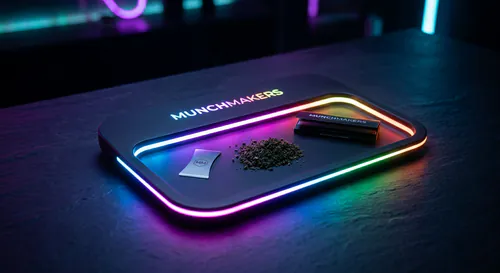
LED rolling trays get a lot of attention online because they photograph well. A glowing tray in a dark room with RGB light bleeding out from underneath looks genuinely cool in a photo. Whether that translates into a tray you'd actually want to use every day is a different question, and the honest answer is: sometimes, if you buy the right one for the right reason.
How LED rolling trays work
Most LED rolling trays fall into one of two designs. The first is a flat acrylic or glass tray with an LED strip mounted along the underside perimeter, powered by USB. The light shines through the translucent surface and glows around the edges. The second design is a metal or wooden tray with an LED strip mounted to the base of the tray's raised sidewalls, so the light shines inward across the tray surface from the sides.
USB power is the standard, almost universally now. Most trays use a simple USB-A cable that plugs into any phone charger or laptop port. A few higher-end versions use a rechargeable battery built into the tray, which removes the cord but adds weight and a charging obligation.
The LED strips themselves vary significantly. Cheap LEDs fade, lose brightness unevenly, or shift color over time. Better-quality strips hold their color, have more LEDs per meter (which means more even lighting), and have controllers that actually remember your settings instead of resetting to blinking red every time you unplug.
The real uses for an LED tray
Nighttime use is the most practical application. If you roll in low light, an illuminated tray surface genuinely helps. You can see what you're doing, you can see if anything has scattered onto the tray surface, and you're less likely to lose something small like a filter tip in bad ambient light. This is a legitimate functional benefit, not just an aesthetic one.
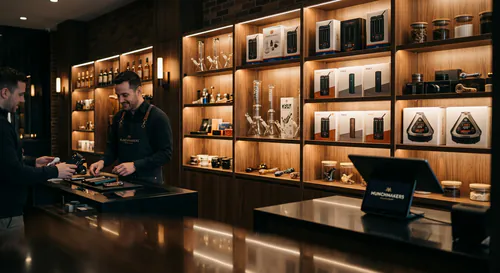
Events and displays are the strongest use case for LED trays. A lit tray on a dispensary counter, at a cannabis trade show, or on an event table draws attention. The glow creates a focal point. Combined with a custom-printed tray surface, the light backlighting the graphic can look professional rather than gimmicky, depending on the execution. Our promotional products category covers options for high-visibility display accessories.
Conversation piece value is real but limited. LED trays genuinely start conversations when people see them for the first time. Whether that's worth paying a premium depends entirely on how much you value that kind of interaction.
The downsides that don't show up in product photos
Cleaning is harder. A clear acrylic tray with resin residue on it looks worse than a metal tray with the same residue, because the residue is more visible on a glowing translucent surface. You need to clean an LED tray more frequently to keep it looking good, and cleaning around the LED strip without damaging it requires care that a standard metal tray doesn't demand.
Fragility is a real concern. Acrylic scratches. Glass breaks. Most LED trays use one of these materials for the illuminated surface, which means they're inherently more delicate than a rolled-edge metal tray that can take a knock and look fine. If you're hard on your gear, an LED tray is going to show it.
The power cord is a constant mild annoyance for home use. A cord running from your tray to your USB charger is not the end of the world, but it's one more thing to route, one more thing to trip over or yank accidentally. Cordless battery-powered versions exist but are heavier and need charging at inconvenient moments.
Quality control in the LED tray market is worse than in standard tray manufacturing. There are a lot of very cheap products that look identical to more expensive ones in photos. A $15 LED tray and a $60 one can look nearly the same on a product page. The difference shows up after a few months when the cheap one's LED strip starts flickering or the plastic housing cracks at the corner.
What to look for when buying
LED density: at least 30 LEDs per meter for even illumination without visible hotspots. Cheaper strips have 10 to 20 per meter and you'll see distinct dots of light rather than a continuous glow.
Controller quality: look for a controller that has memory function (saves your last setting when unplugged) and a remote or app control if you want RGB modes. A single-button toggle through 16 colors is better than a single on/off switch but still limited.
Tray surface material: tempered glass is better than acrylic because it resists scratching and cleans more easily. The weight penalty is minor for a home setup.
Power input: USB-C is preferable to USB-A now that USB-C chargers are everywhere. It's a small thing but a USB-A-only cable means one more specific cable to track down.
For more on tray aesthetics and design, our rolling tray design ideas post covers the visual side. The materials comparison guide is worth reading if you're weighing standard materials against the glass and acrylic common to LED trays. And if you're outfitting a display or event setup, our full range of custom rolling trays includes options designed for high-visibility brand placement.
The verdict
LED rolling trays are worth buying in two situations: you genuinely roll in low light and want a functional illuminated surface, or you're outfitting a dispensary display and want something that draws eyes. For everyday home use in a normally lit room, the benefits are mostly aesthetic, and the tradeoffs in cleaning difficulty and fragility are real. If the glow matters to you, buy one. If you're on the fence, a quality metal tray will serve you better for longer.