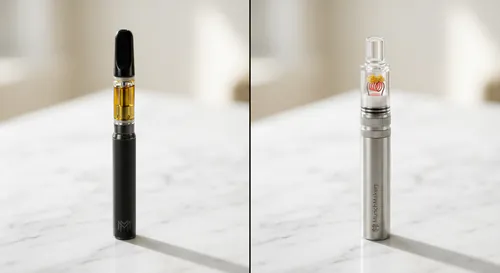
A lighter refill takes about 10 seconds and costs roughly 1¢ in butane. A disposable lighter costs $1-$2 and lasts 1-3 weeks if you smoke daily. Switching to a refillable lighter pays for itself in ~2 months. Here's how to refill one correctly, which butane grades actually matter, and the lighters worth refilling in the first place.
Which lighters are refillable
Not all lighters that look refillable are. The ones that are worth your attention fall into a few categories.
Clipper lighters are probably the most common refillable lighter in the smoking accessory market. They use a standard butane valve at the base, the flint is replaceable, and the cylindrical body is indestructible under normal use. A Clipper can genuinely last years with proper maintenance.
Zippo lighters use naphtha (lighter fluid), not butane. They refill through a cotton wick system in the base and are among the easiest lighters to maintain. The tradeoff is that naphtha evaporates through the body even when you're not using it, so a Zippo left in a drawer for two weeks will often be empty when you come back to it. Dedicated Zippo users just keep a bottle of fluid handy and accept this as a quirk.
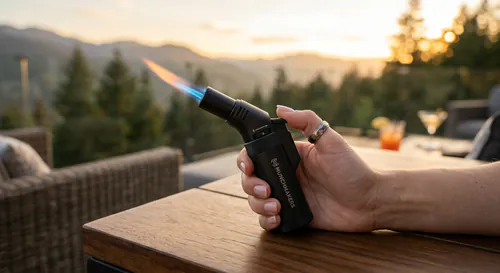
Torch and jet lighters almost universally refill with butane via a valve at the bottom or side. Quality varies enormously. Well-made torch lighters from brands like Colibri, Xikar, or Vector will last for years of daily use. Cheap torches from gas station displays often develop valve leaks or clog after a few refills.
Ronson and other traditional soft-flame refillable lighters work like Zippos but with a butane rather than naphtha system. These are less common now but still reliable when you can find quality versions.
Disposable BICs and similar mass-market lighters technically have a refill valve but the manufacturers don't intend them for refilling and the process is awkward enough that it's not worth the effort for most people.
How to refill a butane lighter correctly
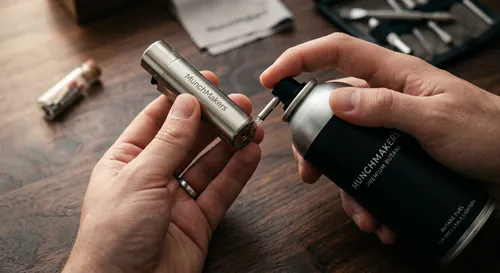
The most common mistake is skipping the purge step. Before adding fuel, you need to release the residual pressure and any old fuel vapor from the tank. Use a small screwdriver or pen tip to press the fill valve for 2-3 seconds until you hear the hissing stop. If you try to refill without purging, the incoming butane has nowhere to go and you'll find most of it escaping back around the valve rather than filling the tank.
Turn the lighter upside down. This is important. The fill valve should be pointing up, and the butane can nozzle should point down directly into it. Butane is stored as a liquid under pressure. Filling right-side-up allows air (instead of liquid butane) to enter the tank, which introduces moisture and reduces fill efficiency. Upside-down filling means you're injecting liquid fuel directly.
Press the can nozzle firmly into the valve and hold it for 3-5 seconds. You should hear fuel entering the tank. Release, wait a moment, then repeat until you feel resistance and a small amount of butane escapes around the valve. That's full. Don't try to overfill; it just wastes fuel and can create pressure issues in warm conditions.
Wait at least 2 minutes before lighting. The butane that's just entered the tank is at expansion temperature and the outside of the lighter will feel cold. Lighting immediately can produce an oversized initial flame because of this temperature effect. Patience here is worth it.
If your lighter has an adjustable flame (most torches and some soft-flames do), set it to the low or minimum position before refilling. This prevents the first light after a refill from producing a larger-than-expected flame.
Why butane quality matters more than most people think
Standard butane (the kind you'll find in cheap cans at a gas station or convenience store) contains impurities from the refining process. These don't cause problems in a cheap disposable lighter because the lighter gets thrown away before the buildup becomes significant. In a refillable lighter you're using repeatedly, those impurities accumulate in the tiny nozzles and valves.
The result is a clogged nozzle, inconsistent flame, or a lighter that stops working entirely despite having fuel. Triple-refined butane removes most of these impurities. It costs slightly more per can but extends the life of your lighter dramatically. Brands like Colibri, Vector, Xikar, or Neon are widely available and worth the premium over generic cans. For a torch lighter with a precision nozzle, triple-refined isn't optional; it's maintenance.
The cost comparison
A BIC lighter costs roughly $1.50-3.00 retail. A daily smoker replacing one every two weeks spends around $40-80 per year on lighters. A Clipper costs $3-6 and a 100ml can of butane costs $4-8 and refills it 8-12 times. Even accounting for the cost of a flint replacement now and then, you're spending under $15 per year on the same amount of lighting. Over five years, the difference is over $300.
Zippos and quality torch lighters cost more upfront ($20-80 for a decent model) but extend the savings even further. A well-maintained Zippo can outlast you.
Environmental savings
The average disposable lighter contains about 4 grams of plastic and metal that's nearly impossible to recycle because it can't be safely processed with residual butane inside. A daily smoker discards roughly 24 lighters per year. Over a lifetime of smoking, that's hundreds of lighters in landfill. Not a massive environmental issue in isolation, but not a trivial one either, and refillable lighters eliminate this entirely.
BIC has made arguments for the lighter weight and carbon efficiency of their disposables vs refillable alternatives, and the math is genuinely contested depending on what variables you weight. But for most uses, refillable is the lower-waste option, and if that matters to you or your brand, it's a defensible position.
Best picks for daily use
For most smokers, a Clipper is the right answer. Affordable, refillable, genuinely durable, and the removable flint/poker tool adds utility that no other mainstream lighter matches. For cigar and concentrate smokers who need torch performance, the Vector Nitro and Colibri Evo are reliable at reasonable prices. For a classic soft-flame that will genuinely last decades, a basic Zippo with quality naphtha is hard to beat even with the evaporation quirk.
Browse our refillable lighters including stainless steel lighter options. For a look at how Clipper specifically works as a custom branded product, see our Clipper custom guide, or check the complete lighter types guide for broader context.