The current rules, plainly stated
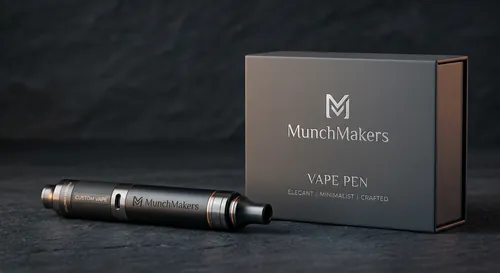
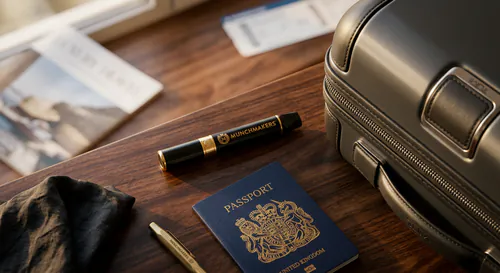
TSA's position on vape pens and e-cigarettes has been consistent since 2016 and remains unchanged as of 2026: vaping devices, including all batteries and e-cigarettes, must go in your carry-on bag or on your person. They are not permitted in checked luggage. This rule applies regardless of the airline, the airport, or the destination.
The reason is lithium batteries. Lithium-ion cells, which power virtually every vape pen sold today, pose a fire risk in the cargo hold. If a lithium battery goes into thermal runaway in a checked bag, there's nobody there to intervene. In the passenger cabin, crew can respond. The FAA has documented multiple cargo fires caused by lithium batteries in checked luggage, which is why the policy is firm across all US airlines and is mirrored by aviation authorities in most other countries.
TSA itself is primarily focused on security threats, not drug enforcement. They are not specifically looking for vape pens, and finding one in a bag is not a priority. However, if TSA finds something during a bag check that appears to violate state or federal law, they are required to refer it to law enforcement. For vape pens used for nicotine, this is a non-issue. For vape pens containing cannabis oil, it gets more complicated. We'll address that specifically below.
Lithium battery limits for carry-on bags
Vape pen batteries fall under FAA regulations for lithium-ion batteries. The relevant limits are:
Batteries under 100 watt-hours (Wh) are allowed in carry-on without restriction on quantity for personal use. Most vape pen batteries are in the 3.7V range with capacities between 200mAh and 1,000mAh. To convert to watt-hours: multiply volts by amp-hours. A 3.7V, 650mAh battery is 0.65 Ah, so 3.7 x 0.65 = 2.4Wh. Way below the 100Wh threshold. Every consumer vape pen battery you're likely to encounter is well under this limit. The limit becomes relevant if you're traveling with large capacity box mods designed for vaping, not cannabis use, some of which have substantial battery packs.
Spare batteries, meaning batteries not installed in a device, must have their terminals protected against short circuits. For loose 510 batteries in a bag, keep them in their original packaging or put a piece of tape over the contacts. Two loose batteries bouncing around in a bag touching each other can theoretically create a short.
What TSA looks for and what triggers a bag check
When your bag goes through the X-ray machine, TSA is looking for security threats. Vape pens show up clearly on X-ray as a cylindrical metal object with a battery. In most cases, they scan through with no issue. The situations that prompt a manual bag check are usually:
A dense bag where the scanner can't read all the contents clearly. If you travel with a lot of electronics in your carry-on, spreading things out or putting them in an accessible pocket reduces the chance of a secondary screening.
Multiple batteries in a bag. A few 510 batteries alongside a grinder and other cannabis accessories might prompt a closer look, though this is at the discretion of the individual TSA officer.
The thing TSA will flag with certainty is a cartridge or concentrate that's clearly cannabis. Drug residue on packaging, visible green material, or accessories with obvious cannabis branding can all attract attention. If the officer sees something that suggests illegal drugs, they will call law enforcement. What happens next depends on the state, the airport, and the officer's judgment.
Cannabis vapes specifically: the honest answer
Here's the reality that most "TSA vape rules" articles dance around: cannabis oil cartridges are federally illegal, and TSA is a federal agency. Flying with cannabis in any form, including THC vape cartridges, technically violates federal law regardless of where you're flying from or to.
In practice, TSA's enforcement of drug laws is inconsistent and generally lower priority than their security mission. California airports, Colorado airports, and other airports in legal states have generally issued guidance that TSA should refer drug finds to state law enforcement rather than federal. In legal states, small amounts of cannabis for personal use are typically not prosecuted at the state level. Some California airports, like LAX, have signs saying that cannabis in permitted quantities is allowed under state law, though this is a state and local decision, not a federal one.
Flying between two legal states is a gray area. Flying to a non-legal state is a different matter. Getting caught with a cannabis cartridge in a conservative state where the local law enforcement takes a harder line is a real risk.
The safest approach: don't fly with cannabis oil cartridges. Buy at your destination if you're in a legal market. If you're bringing hardware, bring just the battery, clean and empty.
Packing your vape for air travel: what works
Put the vape battery in your carry-on or personal item, not your checked bag. If you're not checking bags, this takes care of itself.
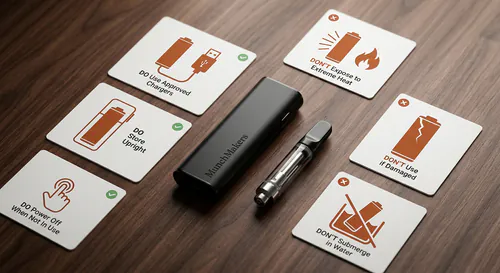
Button-activated batteries should be locked before packing. Five clicks on most devices activates the lock. This prevents the battery from firing in your bag during the flight, which would deplete the battery at minimum and at worst heat up against the contents of your bag.
If you're bringing a box mod or a larger capacity battery, make sure you know the watt-hour rating. It should be printed on the device or in the documentation. Under 100Wh, no restrictions. 100Wh to 160Wh, you need airline approval in advance. Over 160Wh, not permitted on commercial flights.
For cartridges you're allowed to bring (nicotine or CBD products that are legal everywhere), store them in a small zip-lock bag. Pressure changes in the cabin can cause cartridges to leak. The seal won't prevent leaking, but it will contain the mess. Oil from a leaking cart can damage other items in your bag and gunk up the cartridge's connection pin badly enough that it won't work when you arrive.
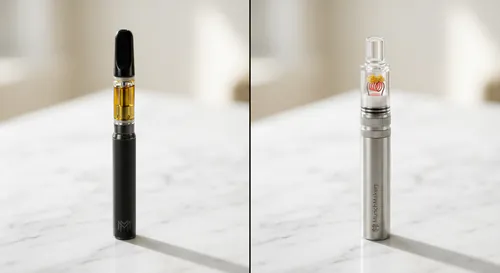
Remove the cartridge from the battery and store them separately. This reduces the chance of accidental firing and also makes both items scan more cleanly through X-ray.
International travel: different rules entirely
The US domestic rules above don't apply once you cross borders, and the differences can be significant.
The European Union follows IATA dangerous goods regulations for lithium batteries, which align closely with FAA rules. Batteries under 100Wh in carry-on, spare batteries in carry-on with terminals protected. Most European carriers apply the same practical rules you'd follow domestically.
The United Kingdom post-Brexit continues to follow IATA guidelines. The UK also has specific rules about nicotine products: nicotine vapes are legal, but the UK limits e-liquid nicotine concentration to 20mg/ml, and TPD regulations govern product requirements. Carrying a US-market nicotine vape into the UK is technically non-compliant with UK product regulations, though enforcement against personal imports is rare.
Australia is strict. The import of nicotine-containing e-liquid requires a doctor's prescription under Australian law as of 2021 regulations that remain in force. Customs confiscates nicotine vape products that arrive without documentation. If you're traveling to Australia and vaping is important to you, research current customs rules before you leave. They have changed multiple times and continue to evolve.
The Gulf states and Southeast Asian countries have highly variable rules. Singapore has a complete ban on e-cigarettes and vaping products. Possession is a fineable offense. Thailand prohibits importation of e-cigarettes and has prosecuted tourists. The UAE lifted its vaping ban in 2019 and now permits licensed nicotine vape products, but remains strict about cannabis. Japan prohibits nicotine-containing e-liquid but allows heating tobacco products like IQOS. If your travels include any of these regions, look up the specific rules for that country before you pack. "Check the local laws" is genuinely important advice here, not a disclaimer.
Cannabis vapes internationally: don't. The legal markets that exist are state and provincial level. No country has fully legalized cannabis at the federal level in a way that affects airport customs. Bringing THC vape products across an international border is drug smuggling under the laws of virtually every country you might visit.
Domestic flights within legal states: airports with specific policies
A handful of US airports have issued public guidance about cannabis possession. Los Angeles International (LAX) allows cannabis in amounts permitted under California law (28.5 grams of flower, 8 grams of concentrate) as of their official policy. Oakland International and San Francisco International follow California law similarly. Denver International has stated it follows Colorado law, which permits personal amounts.
Even with these airport policies, the key limitation is federal jurisdiction. TSA is federal. If they find cannabis and hand it to law enforcement, the law enforcement response depends on where you're going, not just where you're departing from. An officer at the arrival airport in a non-legal state doesn't care that LAX has a permissive policy.
What to do if TSA stops you
If your bag gets flagged and TSA finds your vape, stay calm. In most cases, they're confirming it's not a security threat, not looking to make an arrest. Answer questions honestly about what the device is. If it's a legal product, say so clearly.
If they find something they believe is an illegal substance, they will call law enforcement. At that point, what you say matters. You have the right to remain silent and the right to ask for an attorney. Using those rights politely is not an admission of guilt; it's appropriate given the situation. The advice to "just explain it's for personal use" is often wrong once law enforcement is involved. Let a lawyer do the explaining.
For vape pens used for legal purposes, the scenario above shouldn't arise. Pack sensibly, know what you're bringing, and travel without the kind of product that puts you in a difficult position at a federal security checkpoint.
If you're figuring out which battery to travel with or want to understand what makes one vape battery different from another, the 510 thread battery guide is a good place to start. And for the broader picture on how cannabis travel regulations are handled by dispensaries and cannabis brands, see the coverage at TSA cannabis vape travel rules.