The 12-week window most brands ignore
MJBizCon draws around 30,000 attendees. Hall of Flowers pulls a few thousand serious buyers from the California market. Lift & Co. in Canada, WeedCon on the consumer side, the regional state-level shows -- there are enough events on the cannabis industry calendar that brands often treat show prep as something to get to a few weeks out. That's usually not enough time, and the gap between a polished booth and a forgettable one is almost always a preparation timeline problem rather than a budget one.
If you're spending $5,000 to $20,000 on a booth fee plus travel and accommodation, a few hundred dollars of branded product ordered too late or a booth design that went through one revision instead of three is a bad trade. The 12-week window matters because several things in this process simply can't be compressed: custom printed merchandise typically needs four to six weeks from artwork approval, booth graphics for large-format printing need at least three weeks, and shipping logistics for a large show need to be locked before hotel room blocks sell out.
What to order at each budget tier
Branded giveaway items fall into three tiers based on cost per unit, and the right mix depends on your expected booth traffic and what you want people walking away with.
At the entry level, custom lighters in the $2 to $4 per unit range are one of the most effective giveaway formats the cannabis industry has. They're small, they're useful, they go in a pocket rather than a bag that gets left at the hotel, and your brand logo is visible every time someone lights up for weeks after the show. For a 500-attendee target, you're looking at $1,000 to $2,000 for a supply that won't run out on day one. Order from custom lighters suppliers who can do full-wrap printing -- a lighter with just a small logo on one face is half the impact of one with a full branded design.
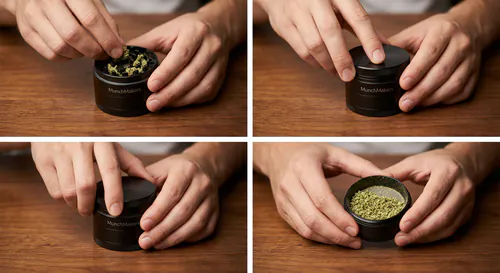
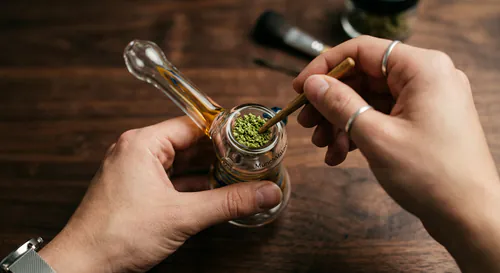
The mid tier, roughly $8 to $18 per unit, is where branded grinders live. These are kept. Someone who receives a well-made custom grinder from your booth will use it for months or years. They'll have it on their counter, they'll use it in front of friends, and your brand will be on it the whole time. The economics of a $15 grinder that gets used 200 times over six months look very different from a $1 pen that lives in a drawer. Reserve these for qualified leads, buyers you've had real conversations with, or media attendees. Don't set them out in a bowl at the front of the booth.
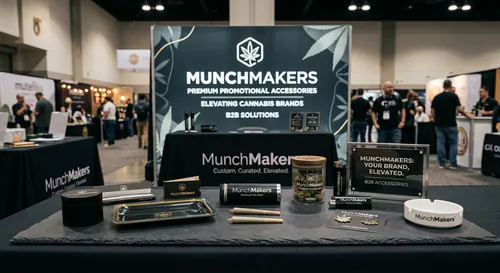
The premium tier, $25 to $50 per unit, typically means rolling tray bundles, premium branded merchandise sets, or packaged gift sets combining multiple branded items. These should go to confirmed meetings, existing wholesale accounts you're thanking, or press and buyer gifts sent in advance of the show. Some brands do pre-show outreach where they mail a small branded gift along with a meeting request, and the response rate on that kind of outreach is substantially higher than cold emails alone.
The 12-week pre-show checklist
Twelve weeks out: confirm your booth space, dimensions, power access, and whether you need to book a freight forwarder or can ship directly to the venue. Get the exhibitor kit from the show organizer -- it contains deadlines for everything from hanging sign installation to directory listings, and missing those deadlines costs money or visibility.
Ten weeks out: finalize booth design and start artwork for large-format graphics. If you're working with a designer, this is when that project needs to begin. Also initiate custom merchandise orders. Most quality producers of branded accessories have a four to six week production window, and you want product in your hands at least two weeks before the show, not the day before.
Eight weeks out: approve all booth graphics and merchandise proofs. Any artwork revision at this stage is manageable. Any revision at four weeks becomes expensive or impossible.
Six weeks out: book travel and shipping logistics. If you're shipping booth materials, a freight forwarder who knows the show venue is worth using. The horror stories about booths that didn't arrive are almost always logistics problems that were left too late.
Four weeks out: merchandise should be arriving or in final production. Write your demo scripts and booth briefings for your staff. If staff members are flying in from different locations, confirm their travel now. Put together a meeting schedule for scheduled appointments -- most shows have an app or portal for this.
Two weeks out: pack and ship everything that needs to arrive at the advance warehouse. Most large shows accept materials at an advance warehouse before the event, which is easier than direct-to-show shipping. Send your pre-show meeting requests to your prospect list with a specific calendar invite, not a vague "let's connect."
One week out: confirm all scheduled meetings. Prepare printed materials. Print your booth staff's contact lists and lead capture forms, even if you're also using a digital method. Things fail at shows. Have backups.
Booth traffic tactics that actually work
The single most effective traffic driver at a cannabis trade show is having something to see or do. Booths that just display products and wait for people to walk in average roughly half the traffic of booths with a live demo, a tasting or sampling element (where legally permitted), or an interactive component.
If you sell accessories, a demonstration setup where you show branded products in use pulls attention. If you're a brand with flavor or quality as a selling point, sampling where legal is the obvious play. If neither applies, consider a simple prize draw that requires a business card or a QR code scan -- it gives you a reason to engage people walking past and captures contact information you can actually use.
QR codes on branded items deserve their own mention. A custom lighter or grinder with a QR code that links to a landing page specific to that show is more useful than one that just goes to your homepage. The landing page can offer a first-order discount for wholesale buyers, a downloadable lookbook, or a contact form for follow-up. You can track how many scans you get from show giveaways weeks after the event ends, which gives you real data on how much distribution your branded items achieved.
Staff positioning matters more than most brands acknowledge. Your team should be in the aisle, not behind the table. Standing behind a table creates a counter dynamic that signals "retail transaction" rather than "conversation." Get your reps out front, initiate conversations, and bring qualified people back to the display.
Post-show follow-up as a system
The show ends and most brands send a batch of "great to meet you" emails within 72 hours. Some of those get responses. Most don't. The ones that get responses are usually personalized with a reference to the specific conversation you had, a clear next step, and a reminder of what you left with them -- including that branded item, if it's relevant.
Build a simple post-show workflow before the show, not after. Decide who on your team owns follow-up for different lead categories (wholesale inquiries, media, partnerships, retail buyers). Set a deadline for first touches of 48 hours after the show closes. Set a second-touch deadline for 10 days out. Put this in whatever CRM you use -- even a simple spreadsheet works if you actually use it.
Leads you don't follow up within a week of the show go cold quickly. The people you met were also at 50 other booths. The branded item they took from your table is doing the memory work until you follow up -- but it only buys you time, it doesn't substitute for the follow-up itself.
Measuring ROI honestly
Cannabis trade shows are expensive relative to the direct orders they generate during the event. Most ROI comes in the months after, from relationships and brand exposure that convert into wholesale accounts, press coverage, or partnership conversations.
That makes measurement harder, but not impossible. Track the leads you collect at the show and tag them in your CRM with the show name. Then, when a wholesale order comes in four months later from someone you met at the booth, you know. At the end of the year, you can tally what closed business can be attributed to each show and compare that to what the show cost.
Branded accessories extend this window. The grinder or lighter you gave out at the show is still generating impressions six months later. You can't directly attribute a new customer to a branded item they received at a show, but the effect is real even when it's not perfectly measurable. Think of it as the physical equivalent of a retargeting ad: your brand shows up in front of someone who already has some awareness of you, repeatedly, for months after the initial contact.
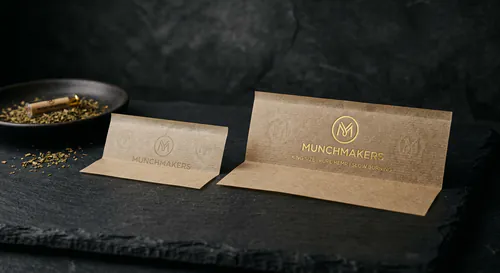
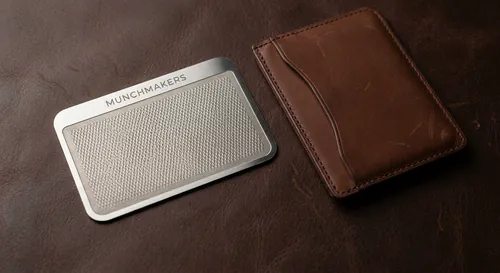
If you need trade show promotional items that are worth the investment, the lead time and quality of what you hand out matters. Generic items from a quick-ship promo house look like generic items. MunchMakers custom cannabis accessories are designed for this industry specifically, which means the product context is right and the quality holds up to daily use -- which is exactly what you want from something carrying your brand for the next six months.
The brands that do well at cannabis trade shows consistently are the ones who treat the show as a 12-week project, not a one-week event. The booth is just the culmination of preparation that happened months earlier. If you're approaching your next show with less runway than that, start now rather than waiting until it's comfortable.