Blunt vs joint: a complete breakdown of the difference (and which to choose)
People say "blunt" and "joint" as if they're interchangeable, but they're not. The difference isn't cosmetic. It affects the high, the flavor, the burn time, the rolling experience, and the health profile in ways that matter. Here's the full breakdown.
The fundamental difference: what they're wrapped in
A joint is wrapped in rolling paper. A blunt is wrapped in tobacco leaf or a tobacco-based blunt wrap. That single distinction flows through everything else. The tobacco wrapper in a blunt isn't just decorative. It delivers nicotine, it changes the burn characteristics, it adds its own flavor to the smoke, and it introduces the respiratory concerns associated with tobacco combustion.
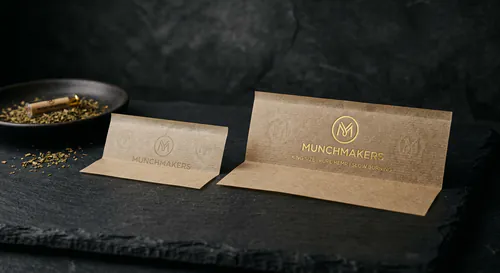
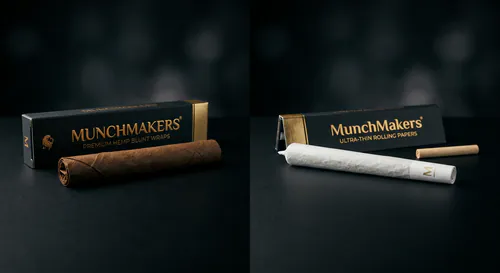
Joint rolling papers come in a range of materials: wood pulp, rice, hemp. They're thin, they're designed to burn slowly and evenly, and they're intended to contribute as little flavor as possible so the herb comes through clearly. A good rice paper is almost tasteless. A blunt wrap is always present in the flavor profile. You're not getting the herb alone. You're getting herb plus tobacco leaf, and the tobacco influence is significant.
Tobacco and the nicotine effect
Blunts hit differently from joints because of nicotine. Tobacco has a stimulant effect that creates a head rush, particularly if you're not a regular tobacco user. This combined effect is what people describe as the "blunt high" -- it's cannabis effects on top of a nicotine buzz, and it feels distinct from a pure cannabis joint. Some people seek this out. Others find nicotine uncomfortable or don't want tobacco in their routine at all.
This isn't a minor consideration. If you're smoking blunts regularly, you're also consuming tobacco regularly. Nicotine dependency from blunts is real and documented. The cannabis community sometimes treats blunts as a neutral default, but they're not. You're opting into tobacco exposure every time you roll one.
Burn time
Blunts burn slower than joints. A standard blunt holds 1.5 to 3 grams of flower and burns for 30-45 minutes in a group rotation. A standard joint holds 0.5 to 1 gram and burns for 10-20 minutes. Tobacco leaf is denser than rolling paper and combusts more slowly. This makes blunts more efficient for longer group sessions where you don't want to roll repeatedly.
The slower burn also means more smoke per minute at the cherry. Blunts produce more visible smoke and a more pungent smell than equivalently sized joints. If discretion matters, blunts are the wrong choice.
Flavor
A blunt wrap has a strong, sweet, sometimes earthy tobacco flavor that blends with the cannabis. Traditional tobacco leaf wraps (cigars split and re-rolled, or natural leaf wraps) have an authentic tobacco taste. Commercial flavored blunt wraps (grape, mango, banana) add artificial flavoring on top of the tobacco base. Some people love the complexity. Others find it masks the terpene profile of quality flower completely, which is a real loss when you're smoking something worth tasting.
Joints are better for tasting the cannabis. If you're smoking a particularly interesting strain and you want to experience what it actually tastes like, a joint on thin rice paper is the honest way to do it. The wrapper isn't competing with the flower.
Rolling difficulty
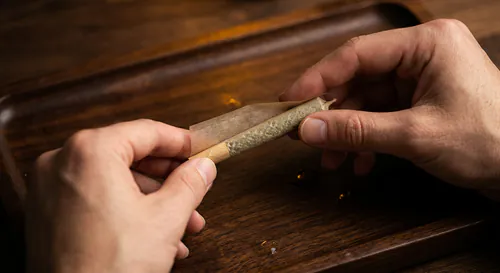
Blunts are harder to roll than joints, particularly with natural tobacco leaf. Tobacco leaf is stiffer and less forgiving than rolling paper. It cracks if it's too dry. It tears if you apply too much pressure. You need to moisten it before rolling, which adds a step and requires some judgment about how wet is wet enough. Commercial blunt wraps are easier because they're pre-processed to be more pliable, but they're still less forgiving than paper.
A beginner who can't roll a decent joint will probably struggle more with a blunt, not less. The wider format makes some aspects easier (more surface area to work with) but the material is stiffer and less cooperative.
Joints, especially with good smoking accessories like a proper rolling tray and pre-made crutches, are faster and simpler to roll for most people.
Smell
Both smell. Blunts smell differently. The tobacco wrapper adds a distinctly different odor layer on top of cannabis. People who are very familiar with cannabis smell might not immediately identify a blunt smell as "weed" in the way they would a joint. The tobacco component partially masks the cannabis terpenes in the smell profile. This doesn't make blunts discreet -- they smell strongly and distinctively -- but the odor signature is different from a joint.
Health considerations
Both joints and blunts involve combustion, which produces carcinogens regardless of what you're burning. That said, blunts are objectively worse from a health standpoint because of the tobacco. Tobacco adds tar, additional carcinogens from the tobacco leaf combustion, and nicotine. If you're already accepting combustion as a delivery method, joints are the lower-harm option between the two.
This isn't moralizing about smoking. It's just the factual comparison. If health is a factor in your decision, joints come out ahead of blunts.
Who prefers blunts and why
Blunt culture is deeply embedded in hip-hop and certain cannabis communities, particularly in the United States. For many smokers, blunts are the default, not a special occasion choice. The longer burn time, the group-friendly format, the familiarity of the ritual, and the combined nicotine/cannabis effect are all genuine preferences, not mistakes.
People who grew up rolling blunts often find joints feel insubstantial by comparison. The weight of tobacco leaf in hand, the thickness of the roll, the slow burn -- these are part of the experience they're choosing.
Who prefers joints and why
People who want to taste their cannabis. People who avoid tobacco. People who prefer the lighter, faster hit of a joint over the slower tobacco-infused draw of a blunt. People who want to roll quickly without wrestling with tobacco leaf. People smoking solo rather than in groups.
In cannabis-forward communities, particularly among people who care about strains and terpene profiles, joints are the more common choice precisely because they let the herb speak for itself.
The verdict
If you're avoiding tobacco: joints, full stop. If you're smoking in a large group and want one thing to pass for a long session: blunts make practical sense. If you care about the flavor of what you're smoking: joints. If the tobacco-plus-cannabis effect is something you actively want: blunts deliver that and joints don't.
Neither is objectively better. They're genuinely different experiences, and choosing between them should come down to what you're actually after rather than convention or social pressure. Both are worth knowing how to do well.