Lighter safety tips: what most smokers get wrong and how to avoid accidents
Most lighter accidents are preventable and most of them happen for the same handful of reasons. None of this is complicated, but it's also not stuff anyone formally teaches you. You learn from trial and error or from watching someone else make a mistake. Let's skip the trial-and-error part.
The hot car problem
Leaving a lighter in a parked car on a warm day is more dangerous than most people realize. The interior of a car can reach 140-160°F on a summer afternoon. Butane lighters are pressurized, and butane's boiling point is 31°F (-0.5°C), meaning the fuel is already under significant pressure at room temperature. At 130°F+, the pressure inside a plastic-bodied BIC or similar disposable lighter can exceed the structural integrity of the casing.
Explosions from lighters left in hot cars do happen. They're not common, but they're consistent enough that fire marshals mention this regularly in seasonal safety warnings. The fix is simple: don't leave lighters in your car in summer. The glove box is not a safe place for them on a hot day regardless of how convenient it is.
Overfilling refillable lighters
Refillable butane lighters should be filled to capacity but not beyond it. When you feel butane starting to escape around the fill valve during refilling, that means the tank is full. Continuing to press the can against the valve after that point forces more butane in under pressure without anywhere for it to go, which can damage the valve seal. A damaged valve either leaks constantly, allowing butane to escape (fire hazard) or stops sealing properly altogether (lighter is now useless).
After refilling, always wait 2-3 minutes before lighting. The newly filled tank is cold and the fuel needs to reach ambient temperature. Lighting immediately often produces an oversized, uncontrolled initial flame that can singe fingers or ignite nearby materials unexpectedly.
Proximity to aerosol cans
This one sounds obvious but it's a recurring cause of accidents. Aerosol cans (hairspray, spray paint, deodorant, cooking spray, compressed air) should never be near an open flame. The propellant in aerosols is almost always flammable, and the spray pattern creates a wide flammable mist that ignites almost instantly. Don't use a lighter near aerosol products you're using simultaneously, and don't store lighters with aerosol cans in an enclosed space like a cabinet or car.
Identifying a faulty lighter
A lighter that doesn't ignite cleanly the first time isn't automatically faulty. Clippers and torches sometimes need a few flicks if the flint is worn or the nozzle is partially clogged. But specific behaviors signal that a lighter should be discarded rather than used.
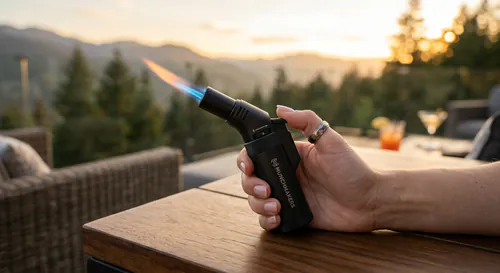
A lighter that produces a flame when you haven't activated the ignition wheel has a failed safety catch and should be disposed of immediately. A lighter that smells strongly of butane without the ignition being activated has a leaking seal. A lighter with a cracked or visibly damaged body should go in the trash regardless of whether it still works. A lighter that produces an unusually large, flickering, or orange-tinged flame from a torch (which should produce clean blue) has contaminated fuel or a partially clogged nozzle.
Children and lighter access
Child safety features on BIC lighters (the red safety tab that requires a downward press before the wheel will turn) were introduced because of house fires caused by children picking up lighters. The BIC child safety system is tested and certified, which is one reason brand-name lighters are preferable to cheap generics that may not meet safety standards.
Generic lighters from overseas suppliers often don't carry the same child safety certification. If you have children at home, this is a meaningful difference. The safety tab on a BIC genuinely requires adult-level hand strength and dexterity to operate. Many generic lighters can be operated easily by a 4-year-old.
Don't leave lighters on coffee tables, counters, or anywhere accessible below adult eye level if children are in the household.
Proper disposal of empty lighters
Empty doesn't mean entirely empty. A used disposable lighter still contains a small amount of residual butane and vapor. You cannot safely recycle a lighter through most household recycling programs because of this residual gas. Putting a lighter in a recycling bin creates a small but real fire risk at the sorting facility.
To safely dispose of a disposable lighter: use it until it stops producing a flame (the fuel is genuinely depleted), then hold the ignition wheel down in open air for several seconds to release any residual vapor. Dispose of in household trash, not recycling. Do not crush, puncture, or incinerate.
For refillable lighters that are no longer functioning, exhaust the remaining fuel through normal use or by pressing the valve to release residual pressure before disposal.
Storage best practices
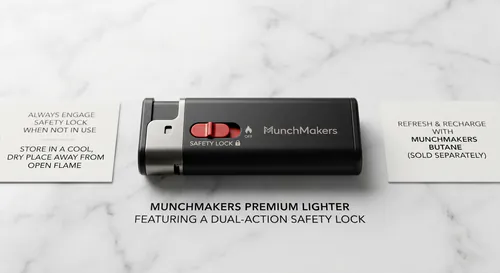
Keep lighters at room temperature. Avoid storage in direct sunlight, in a car, or near heat sources. Don't store in pockets with keys or loose change for extended periods; the friction can wear the safety tab or scratch a printed surface, and pressure from keys can activate the valve in some lighter designs. A small pouch, kit, or dedicated drawer slot is better for any lighter you care about keeping in good condition.
If you collect lighters or store backups, keep them in a cool, dry place in their original packaging when possible. Butane evaporation is minimal under proper storage conditions but non-zero. Check stored lighters every few months if you're keeping inventory.
For reliable, safety-certified options, see our range of quality lighters including metal lighter formats with robust construction. For more on how to extend the life of your lighter through proper refilling technique, the refillable lighter guide covers the full process. The lighter types guide has broader context on choosing the right design for your use.