Organic rolling papers: what "organic" actually means and why it matters
"Organic" is one of the most overused and least regulated words in the cannabis accessory market. It appears on rolling paper packaging constantly, and it means different things depending on the brand, the certification body, and frankly, whether the marketing team cared about accuracy. Let me break down what the term actually indicates, when it's meaningful, and when it's greenwashing.
What makes a paper legitimately organic
For a rolling paper to be genuinely organic, several things need to be true simultaneously.
The raw material (hemp fiber, rice, or other plant sources) should come from crops grown without synthetic pesticides or chemical fertilizers. Agricultural certification from a recognized body (USDA Organic, EU Organic, or equivalent) is the standard for this. Without third-party certification, "grown without pesticides" is a claim you're taking on faith.
The paper should be unbleached or bleached without chlorine. Standard white rolling papers get their color from chlorine bleaching, which produces chlorinated compounds including dioxins as processing byproducts. These compounds are present at trace levels in the finished paper, and while the concentration is low, there's no upside to them for a product you're combusting and inhaling. Unbleached papers are naturally tan or brown. White organic papers that exist have used alternative bleaching processes (oxygen bleaching, hydrogen peroxide bleaching) that don't produce chlorinated byproducts.
The paper should not contain burn accelerants or additives. Cheap rolling papers sometimes include potassium nitrate or other chemicals that ensure the paper burns at a predictable rate regardless of how the roll is packed. In a certified organic paper, these additives aren't present. The paper burns based solely on its material properties.
The adhesive gum strip should also be natural, typically gum arabic (acacia gum), which is plant-derived and widely considered safe. Synthetic adhesives appear in some papers and aren't disclosed on the packaging.
Certifications to look for
USDA Certified Organic is the most recognized agricultural certification in the U.S. market. If the paper materials carry this certification, the crop sourcing meets verified organic agricultural standards. However, USDA Organic applies to the crop, not necessarily to the manufacturing process, so you can have USDA Organic hemp fiber processed with non-organic chemicals. It's necessary but not sufficient on its own.
EU Organic certification applies similar principles for European-sourced materials and tends to be stricter on chemical additives in the processing chain. Many of the best organic rolling paper brands are European (Smoking Organic, OCB) and carry EU certification.
Some brands carry their own proprietary "natural" or "pure" certifications, which tell you very little because they're self-issued. These can be meaningful if the brand explains exactly what the certification means, or they can be empty marketing. Ask or look for third-party verification before relying on them.
How to identify organic papers vs greenwashed ones
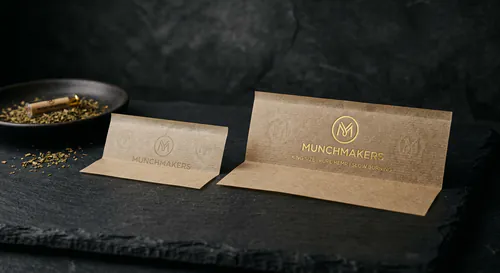
Color is the first signal. Genuinely unbleached organic papers are tan or light brown. A rolling paper that claims to be organic but is bright white is either not using chlorine-free bleaching (making the "organic" claim misleading) or using an alternative bleaching process that should be disclosed. It's not impossible to have a white organic paper, but it should raise a question about what whitening process was used.
Check the ingredient or materials disclosure. A credible organic paper lists its materials: "100% organic hemp" or "100% unbleached rice" with an explanation of the gum strip material. Vague language like "natural ingredients" without specifics is a yellow flag.
Price is an imperfect but useful signal. Certified organic materials cost more to source and process. A paper claiming organic credentials at a price point below comparable non-organic products either has a remarkable supply chain efficiency or is not being fully accurate about what it contains.
Taste and health differences
Unbleached organic papers tend to have a more pronounced natural flavor compared to bleached white papers. Most people describe it as earthy or slightly herbal, which complements cannabis well and suits tobacco users who prefer a less neutral smoke. If you've only ever used bleached white papers, the first unbleached paper may taste different enough to notice. This isn't a flaw; it's the natural character of the unprocessed material.
The health difference is primarily in what you're not inhaling. No chlorine processing byproducts, no burn accelerant residue, no synthetic adhesive off-gassing. These are small reductions in chemical exposure per session, not dramatic health transformations. For daily smokers over long periods, reducing background chemical exposure from accessories is a reasonable consideration. For occasional smokers, the difference is probably negligible. Make your own assessment of how much this matters to you.
Popular certified organic brands
RAW Organic Hemp is probably the most widely distributed genuinely organic paper in the global market. The materials are certified, the unbleached color is consistent, and the burn quality is excellent. It's also widely available and reasonably priced. My daily-use recommendation for people who want organic without spending premium prices.
Smoking Organic (Spanish brand) uses certified organic materials and produces some of the most consistently reviewed organic papers in the enthusiast community. Slightly harder to find in the U.S. than RAW but worth seeking out.
OCB Organic Hemp uses certified hemp and natural gum arabic. OCB's manufacturing standards are high and the paper quality is excellent. Their slim king size in organic hemp is a favorite among experienced rollers who want organic without sacrificing roll quality.
Elements Organic exists but is less clearly certified than their marketing implies. Worth looking into the specific certification claims before treating it as equivalent to RAW Organic or OCB Organic.
Custom organic rolling papers
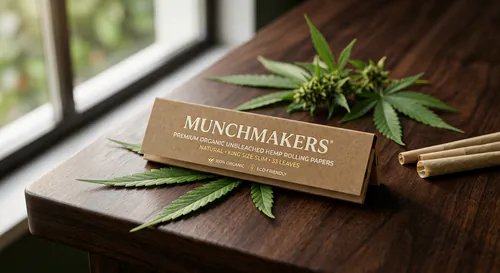
For dispensaries and brands positioned in the health-conscious or premium natural segment, custom organic rolling papers are a stronger brand statement than standard papers. They signal values alignment with the consumer's preferences rather than just providing a functional product. Our organic rolling papers are available in custom formats alongside other organic accessories that extend the natural product theme through a full session kit.
For more on the material differences between hemp and rice papers (both available in organic formats), the hemp vs rice comparison is useful reading. The rolling papers buyer's guide covers the broader selection picture if you're building a custom product range.